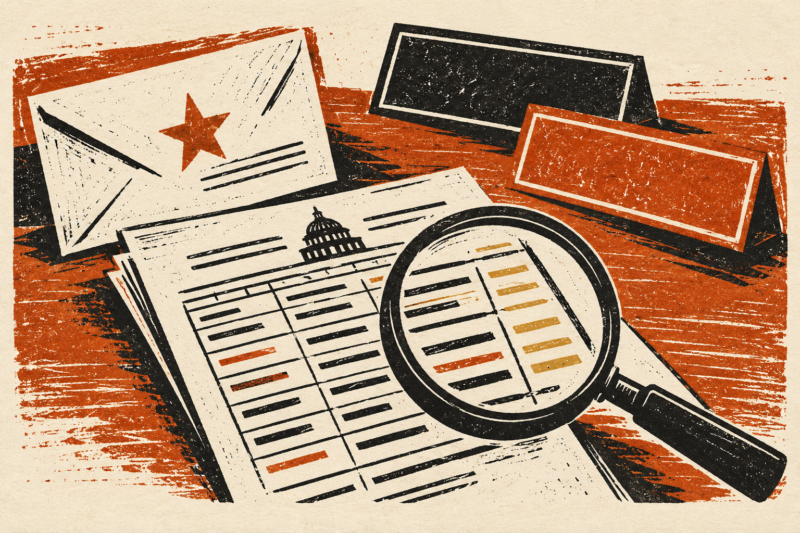
Tax Refund Approved? The Email May Be Asking for Your Identity, Not Releasing Money
How a fake refund notice collects personal and banking information, how to check a real refund, and which exposure to address if you already responded.
5 min read
The archive
Sourced guides, explanations and news analysis. Read by question, not by jargon.
How a fake refund notice collects personal and banking information, how to check a real refund, and which exposure to address if you already responded.
An unsolicited loan message can turn your attempt to cancel into a request for identity or banking details. Separate the message from any real credit concern.
A recent journey makes a toll message plausible, not authentic. Check the actual operator, vehicle, and account before using a payment link.
Fake hearing notices combine case numbers, official-looking seals, and a pay-now QR code. Verify the alleged citation independently before sharing information.
The FBI warns about supposed campaign investment pools promising a payout after a candidate wins. Follow the money claim before sending funds or recruiting friends.
How to separate a delayed political-merchandise order from a fake store, preserve the right records, and approach the seller and payment provider.
A candidate's name is not proof of affiliation. Learn what committee records, payment details, and solicitation claims can—and cannot—tell you before donating.
The FBI's election-fraud warning includes fake registration pages. Here is how to investigate a real registration concern without handing your identity to a message sender.
A threat to expose private images can make everything feel urgent. This calm, practical guide explains what to preserve, how to report the account, what image-removal tools can and cannot do, and when to involve a trusted person or law enforcement.
The FBI’s April 2026 warning describes criminals impersonating logistics businesses to redirect high-value shipments. A fast callback and independent carrier checks matter more than a familiar email or polished load sheet.
Medicare Open Enrollment runs October 15–December 7. Use Medicare.gov or SHIP to compare options, and treat unexpected requests for your Medicare number, bank details, or a card fee as a reason to stop and verify.
A threat, a caller ID, or an old account number does not prove a debt is yours—or that the call is legitimate. Ask for validation, verify the collector independently, and do not ignore actual court papers.