The Car Seller Said eBay Would Hold Your Payment. It Won’t
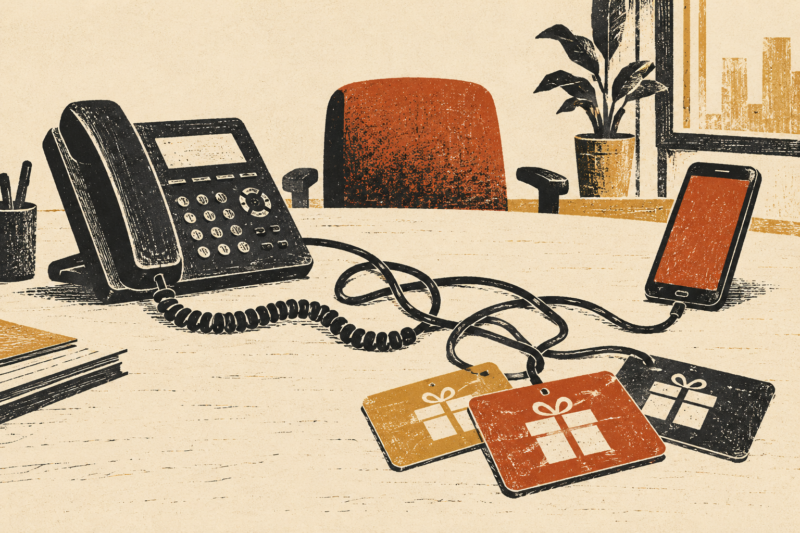
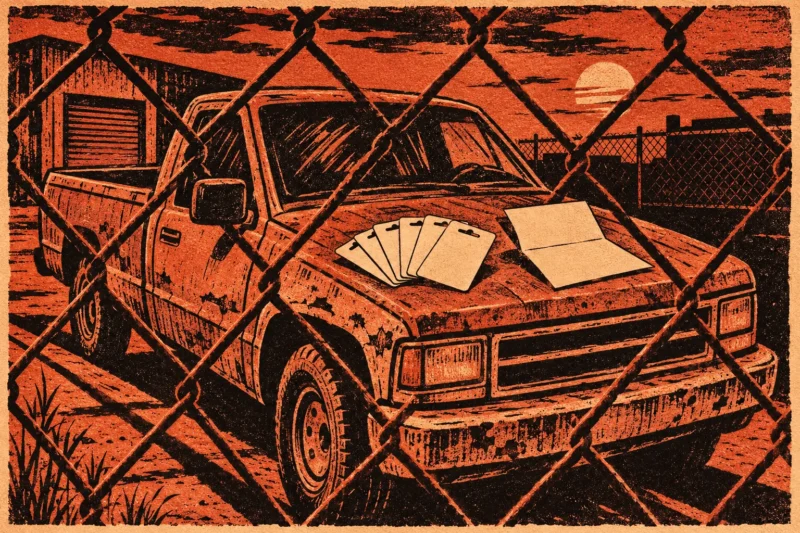
A private car seller promised eBay buyer protection, then sent an invoice asking for gift cards or a wire. What eBay actually covers and what to do if you paid.
6 min read
The archive
Paid-task traps, fake recruiters and verification-code requests.
A private car seller promised eBay buyer protection, then sent an invoice asking for gift cards or a wire. What eBay actually covers and what to do if you paid.
You listed something for sale, the buyer sent a check or money order for more than the price and wants the difference back. How to check it and what to do now.
A gig paid you to keep work laptops online at home, sit an interview or lend your ID. The FBI says that can feed a North Korean IT worker scheme. Steps now.
The seller took a Zelle deposit for a local pickup, then blocked you, and your bank calls it authorized. What you can still try and what to expect from it.
You took a work-from-home job receiving and forwarding parcels, and pay never came. Answers on stolen goods, your personal data, and who to tell first.
A seasonal warehouse offer by text asks for a training, gear or onboarding fee. See the pattern, how it differs from real hiring, and how to recover.
A lower price or faster checkout can move a purchase outside the platform's protections. Check the transaction route, eligible payment, and dispute deadlines before paying.
Why an available bank balance does not validate a stranger's check, and what to do before or after a supposed shopping assignment asks for gift-card codes.
A recent employee account illustrates how a delivery threat and a supposed manager can crowd out verification. Here is a practical response for staff and supervisors.
A response guide for owners and managers whose property photos are used in a fake rental ad: preserve evidence, report the listing, and help applicants verify the real process.
How to separate a delayed political-merchandise order from a fake store, preserve the right records, and approach the seller and payment provider.
The FBI’s April 2026 warning describes criminals impersonating logistics businesses to redirect high-value shipments. A fast callback and independent carrier checks matter more than a familiar email or polished load sheet.