Bought From a Lookalike Amazon-Style Store? What to Do Now
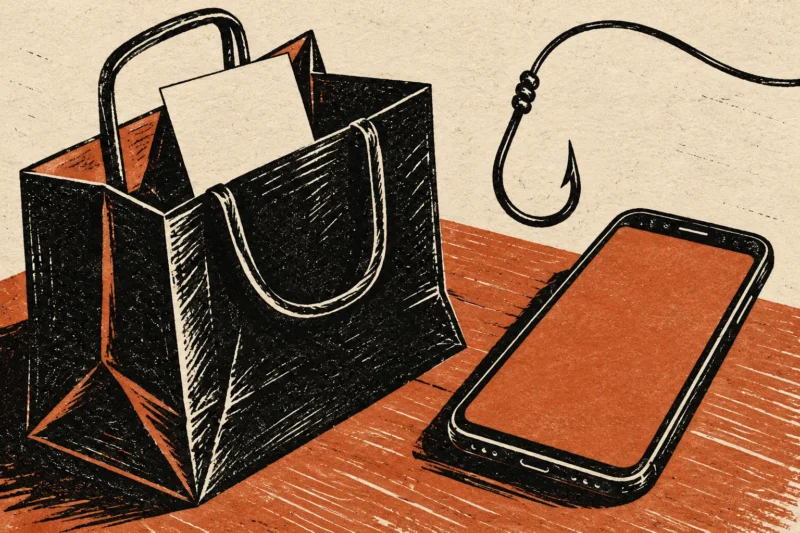
You ordered from an ad and the store was fake. Steps for the first hour, how card type changes your options, and the 60-day dispute deadline many people miss.
9 min read
The archive
Sourced guides, explanations and news analysis. Read by question, not by jargon.
You ordered from an ad and the store was fake. Steps for the first hour, how card type changes your options, and the 60-day dispute deadline many people miss.
A text or email says a retailer refund is waiting if you verify your account. Sort what you did, from a tap to a typed card, and fix exactly that.
A prize notice tied to your past donation asks for a fee or tax. What the FTC's October 2026 alert says, how to verify the charity, and what to do if you paid.
A caller posing as the FTC says your number is used for crimes abroad. How the call unfolds, the moment to hang up, and what to do if you already sent money.
A lower price or faster checkout can move a purchase outside the platform's protections. Check the transaction route, eligible payment, and dispute deadlines before paying.
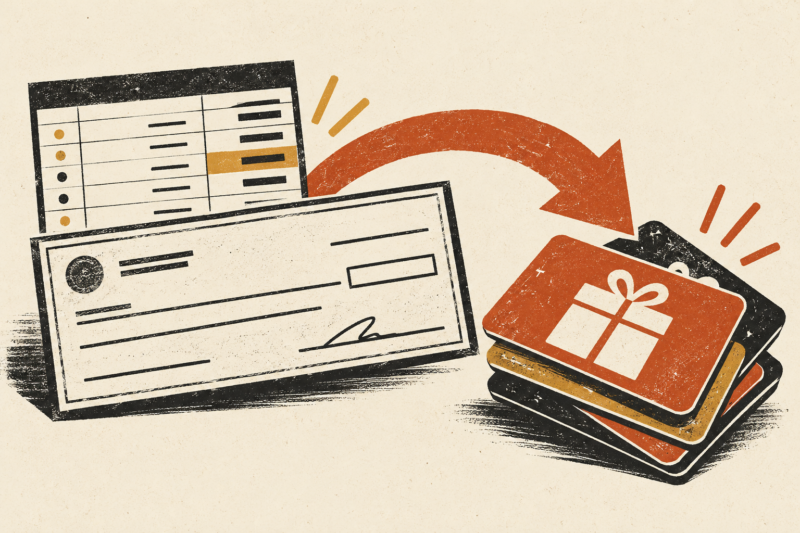
Why an available bank balance does not validate a stranger's check, and what to do before or after a supposed shopping assignment asks for gift-card codes.
Official-looking mail can be an impersonation or a private solicitation. Check the actual agency, obligation, and payment route without ignoring a real deadline.
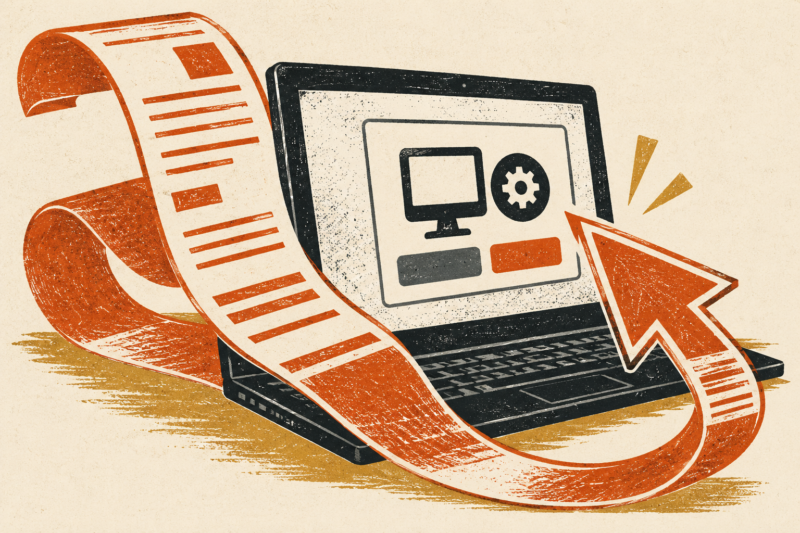
A practical recovery sequence after a refund scam involved remote access: stop the session, separate device and account risks, contact payment providers, and preserve useful records.
Separate an unintended recurring gift, an unfamiliar payment processor, and an unauthorized charge. Find the right cancellation and dispute route without abandoning the records.
A recent employee account illustrates how a delivery threat and a supposed manager can crowd out verification. Here is a practical response for staff and supervisors.
A response guide for owners and managers whose property photos are used in a fake rental ad: preserve evidence, report the listing, and help applicants verify the real process.
A bill-pay search can lead to an unexpected intermediary. Check who received the money, whether the biller credited it, and what to do about misleading fees or exposed details.