A fake remote job can move from a polished recruiter message to requests for ID, fees, equipment money, crypto, or risky software. Learn nine warning signs and how to verify the employer before you respond.
After a theft, a location alert or a plea from a supposed buyer can pressure you into changing the wrong setting. Separate device recovery, account security, and Activation Lock.
A hopeful message can become a reward demand, fake veterinary emergency, or paid search pitch. Keep the real search moving while checking each claim independently.
A fraud investigation should not require handing your card, cash, or valuables to an unexpected visitor. Break the caller's control before checking the story.
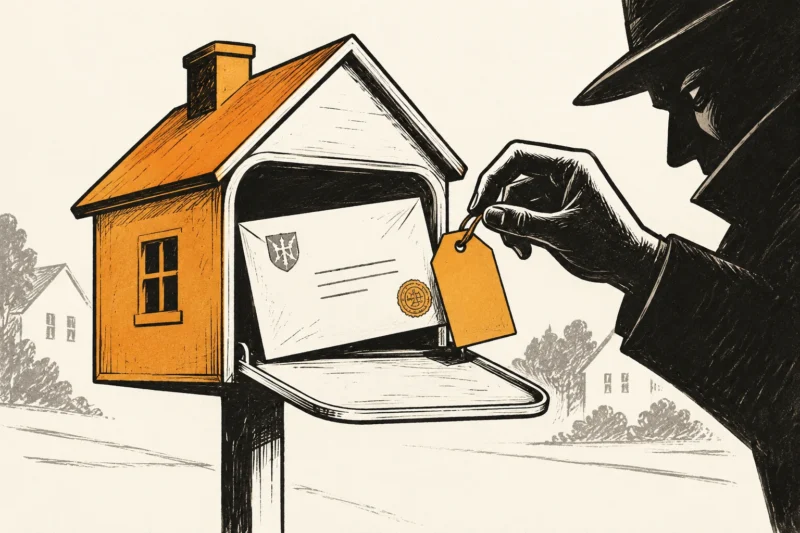
A property address and lender name can make a sales letter look like an official obligation. Verify the sender, then decide whether you want the product at all.
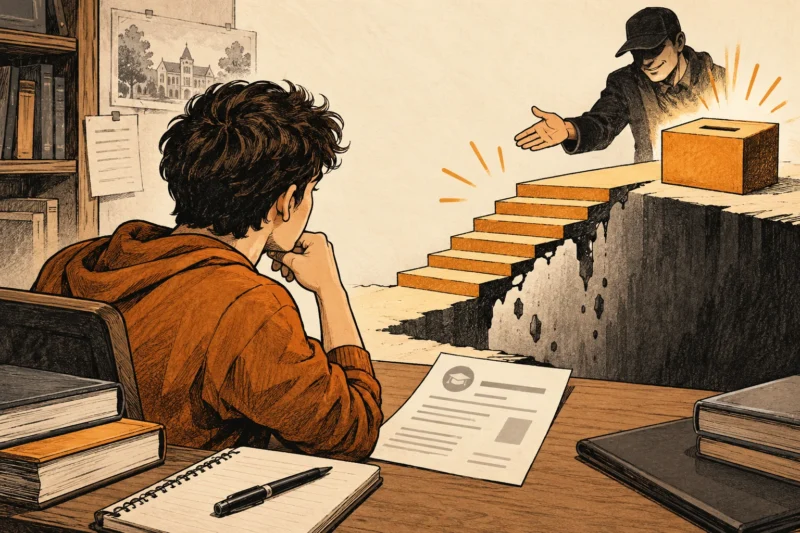
A deadline, a government-looking seal, and a promise to erase debt can make a paid service look official. Verify your loan and servicer before paying or sharing access.
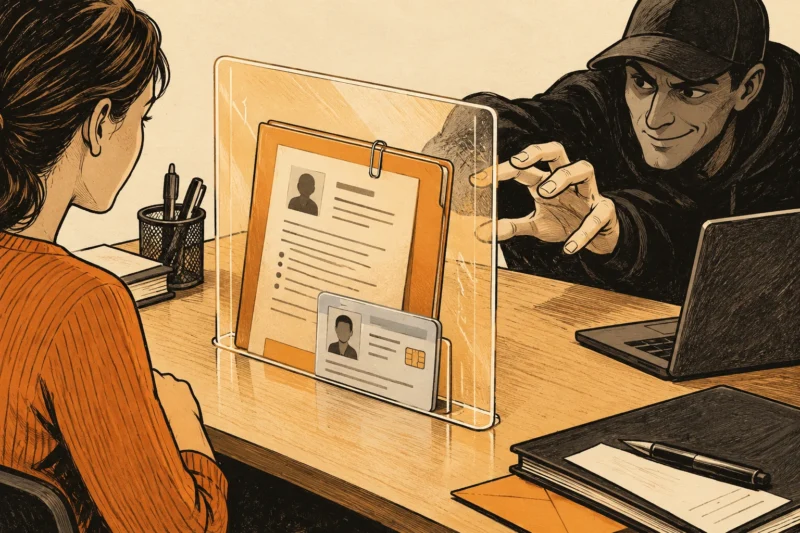
Hiring eventually involves sensitive documents. The safety question is who is collecting them, why now, and through which verified process—not whether the form looks professional.
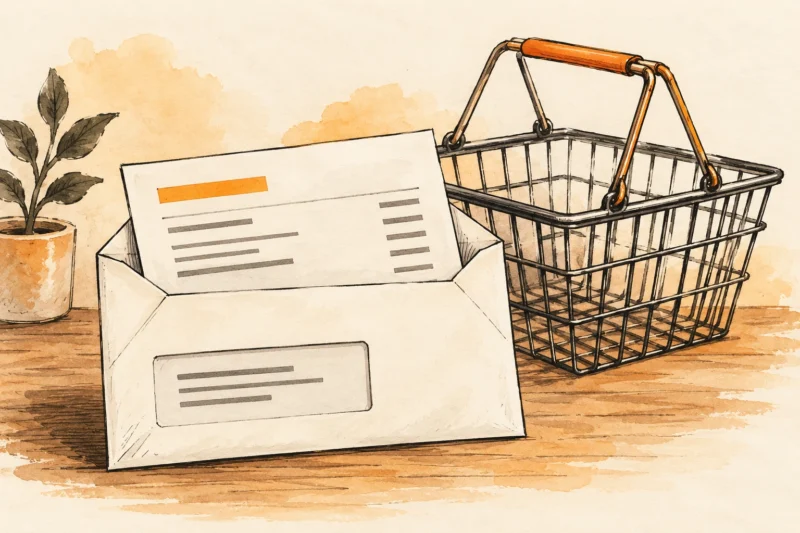
The invoice may genuinely arrive through PayPal while the purchase claim is false. Check account activity independently and keep the sender's note out of your support route.
Flattery, a discount code, and a shipping fee can disguise the actual deal. Separate paid work, affiliate marketing, gifted products, and an ordinary purchase before agreeing.
A serious-sounding buyer can turn your vehicle listing into a sale for an unknown report site. Keep the inspection of the car separate from a stranger's payment link.
5 min read↗
SCAM NOTES · EMAIL
Get new scam guides
Occasional, source-led updates on scam patterns, warning signs and practical next steps.