Medicare Open Enrollment Scams for 2026: Verify the Caller, Plan, and Website
Medicare Open Enrollment runs October 15–December 7. Use Medicare.gov or SHIP to compare options, and treat unexpected requests for your Medicare number, bank details, or a card fee as a reason to stop and verify.
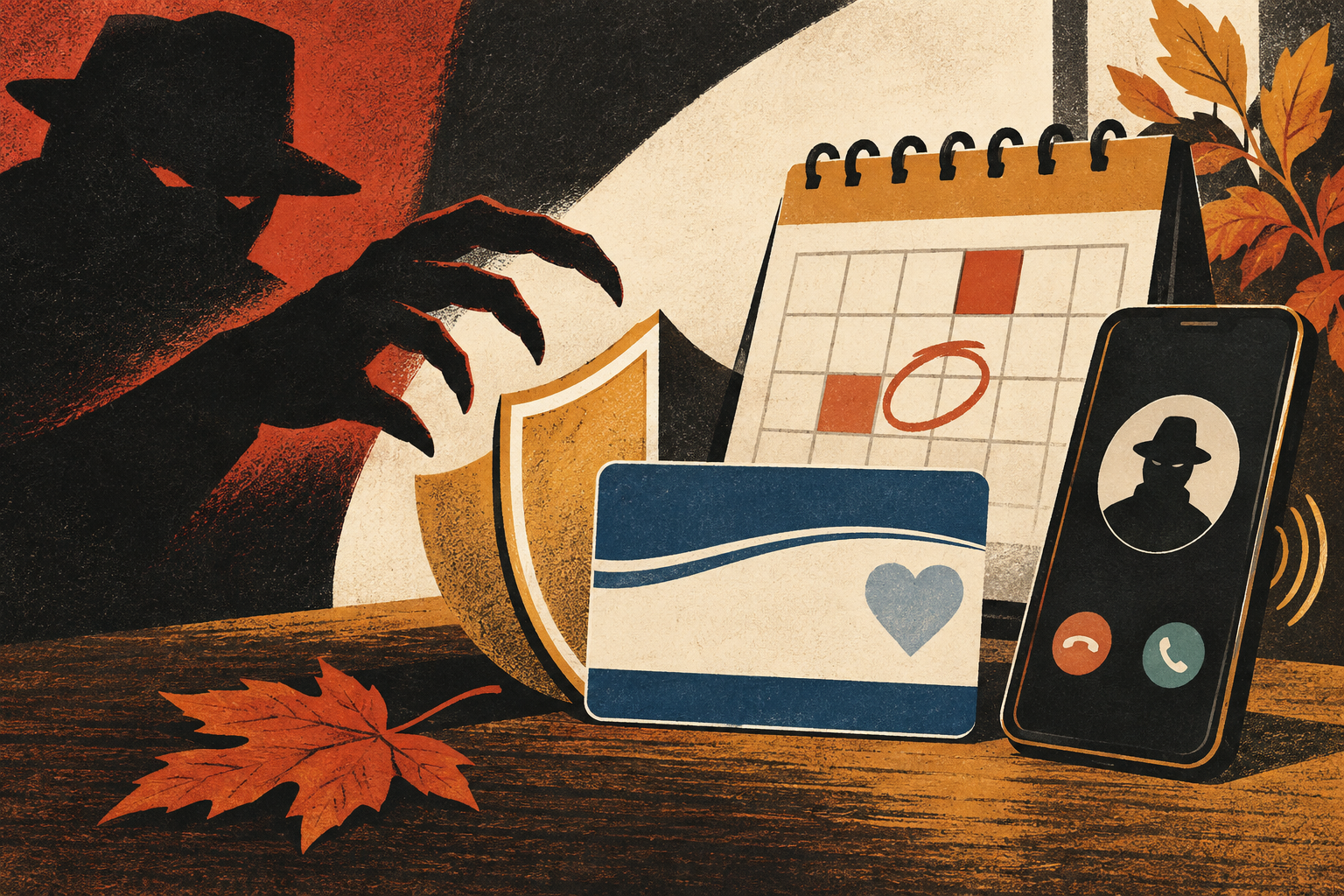
Medicare Open Enrollment begins October 15 and runs through December 7, 2026. The period is a real opportunity to review or change Medicare health and drug coverage for the following year. It is also a moment when people may see more plan advertisements, calls, mail, search results, and messages—all competing for attention.
The most useful safety rule is to separate the genuine enrollment calendar from whoever is contacting you. Medicare.gov says the annual period is October 15–December 7, with most changes taking effect January 1. The FTC warns that impersonators may claim you need an updated Medicare card, new benefits, or an immediate review and ask for your Medicare number, Social Security number, bank information, or a fee. An official-looking caller ID or logo does not prove the person is calling from Medicare.
Quick check: Start at Medicare.gov, call 1-800-MEDICARE at 1-800-633-4227, or contact your State Health Insurance Assistance Program (SHIP) for free, unbiased help comparing options. Do not click an unsolicited “enrollment” link or give a caller your Medicare number to receive a card. Real Medicare cards are free; Medicare says unsolicited contacts should not ask you to pay for one.
Why the timing makes a scam feel believable
During an enrollment window, people expect to make choices and may receive legitimate notices from plans, pharmacies, or government programs. A caller can exploit that expectation by saying your current plan is about to expire, your prescription coverage is missing, your card needs a chip, or you qualify for a benefit if you “confirm” your information today. The claim sounds plausible because it is attached to a real calendar date.
There is a second online risk: a person searching for official plan information may see a sponsored result that looks like a government page. In a September 2026 consumer alert, the FTC said that scammers and dishonest businesses can pay to appear near the top of search results, use lookalike web addresses, and direct people to a plan that is not actual insurance or collect information for medical identity theft. This is why the first result is not necessarily the official source.
A legitimate private plan or licensed agent may have a reason to contact you under applicable rules and prior permissions. That is different from an unexpected caller claiming to be Medicare itself, demanding a Medicare number or payment, or pressuring you to enroll before you compare. If you are uncertain, stop the call and contact the plan or Medicare using contact details you find independently.
| Contact or claim | What to verify | Safer route |
|---|---|---|
| “Your Medicare card is expiring; pay for a replacement.” | Medicare cards are not sold by callers; a replacement request can be started through official channels. | Visit Medicare.gov or call 1-800-MEDICARE yourself. |
| “Tell me your Medicare number to unlock extra benefits.” | An unsolicited caller should not ask for your number to sell you something or issue a card. | Hang up; contact Medicare or your existing plan using a known number. |
| “This sponsored result is the official Medicare comparison page.” | Ads and lookalike domains can sit above official results. | Type Medicare.gov directly and use its Plan Compare tool. |
| “Enroll now or lose coverage today.” | Open Enrollment has fixed dates; a caller’s deadline may be invented. | Check your current plan notice and official calendar before changing anything. |
Use a trustworthy plan-comparison path
- Start with your current plan’s official notice. Review its Annual Notice of Change and Evidence of Coverage for next year. Check the plan name, benefits, premiums, provider network, drug coverage, and any deadlines. Do not rely on a caller’s summary.
- Open Medicare.gov yourself. Type the address into your browser or use a saved bookmark. The official Plan Compare tool lets you review plan options for your ZIP code. Look for the government domain, not a similar spelling or an ad that only looks official.
- Ask for independent, no-cost help. SHIP counselors provide free, unbiased Medicare counseling in U.S. states and territories. Find the local program from Medicare’s official site. Do not pay a stranger who says they are a government counselor.
- Confirm details with a plan directly. If you decide to talk to a plan representative, find the plan’s contact information on your existing membership card or official website. Ask what organization they represent and whether they are a licensed agent in your state.
- Take notes before you authorize a change. Write down the plan name, agent or organization, date, number called, and the coverage start date. If you are not ready, say so. You can end the conversation and continue comparing through official channels.
Medicare changes can affect access to doctors, prescriptions, costs, and supplemental coverage. This article does not recommend one plan or make a coverage decision for you. If you have employer or union coverage, Medicare’s handbook advises you to contact your benefits administrator before changing coverage, since another enrollment could affect that coverage. Ask a qualified counselor or the plan directly about your situation.
Signs the contact is trying to rush a decision
- The person says they are from Medicare and asks for your number, bank details, or a payment during an unsolicited call or message.
- They offer a “free” benefit, gift card, grocery allowance, or premium reduction in exchange for your information, but will not identify the plan clearly.
- They tell you not to speak with family, your current plan, SHIP, or Medicare.gov.
- They want you to confirm a one-time code, install an app, share your screen, or let them control your device.
- They ask for payment by gift card, cryptocurrency, wire, or a payment app to issue a card or release coverage.
- A search result takes you to a site with a government-looking logo but a web address that is not Medicare.gov or the official plan’s domain.
Some plan marketing contacts may be legitimate, and some legitimate enrollment steps require personal information once you have chosen a plan. The distinction is context: you should initiate the interaction or independently verify the representative, understand which plan is involved, and decide what to share. A one-time code or password should never be supplied to an unexpected caller as a test of identity.
If you gave out your Medicare number
Contact Medicare at 1-800-633-4227 or use Medicare.gov’s fraud resources. Explain what was shared, when, and what the caller said. Review your Medicare Summary Notice or claims information for services or equipment you do not recognize. If a provider or plan appears to have changed without your approval, contact Medicare and your current plan promptly. Keep the caller’s phone number, messages, emails, and any policy or application documents.
Also tell the FTC at ReportFraud.ftc.gov and consider notifying your state insurance department if someone offered a plan through an unverified sales contact. If you shared bank or card details, contact the financial institution using the number on your card or in its official app. Ask it to review transactions and advise whether the account or card should be replaced.
If someone enrolled you in a plan you did not choose, do not assume that a call from the agent is the only way to reverse it. Contact Medicare or the plan through a verified contact route and ask what correction or disenrollment options apply. Keep the confirmation number and take notes. The right options can depend on when the change happened and your circumstances.
How to tell a real card replacement from a sales pitch
Medicare cards are free. If you need to replace a damaged or lost card, use the official Medicare account or contact method rather than responding to someone who called you. Medicare explains how to view or print an official card through a secure account. A caller who says a new “plastic,” “chip,” or upgraded card must be paid for is not establishing that the request is real.
Be equally careful with a message about an automatic benefit deposit, rebate, or refund. The Medicare website may publish information about real programs, but scammers may borrow the headline and change the call-to-action. Read the program details directly on Medicare.gov or ask 1-800-MEDICARE. Do not enter your bank login in a link from an unsolicited message to “claim” a benefit.
Related scam patterns
Official-sounding benefits language is also used outside Medicare. Our guide to a Social Security “benefit boost” offered for a fee explains how an impostor can combine a real program name with a fake promise. The pattern is similar: take the time to check the claim through the real agency before handing over money or identifiers.
If you have already shared information or paid someone, start with our first-steps guide and choose the branch that matches what happened. There is no need to pay a recovery service or send more information to someone who contacts you afterward.
Sources and further reading
- Medicare.gov: Open Enrollment — the October 15–December 7 calendar and available plan changes.
- FTC (September 2026): What to know ahead of Open Enrollment to avoid health insurance scams — warns about sponsored search results and lookalike websites.
- FTC: Medicare Open Enrollment scam protections — explains unsolicited contacts and caller-ID spoofing.
- CMS: 2026 Open Enrollment toolkit — points people to Medicare.gov, 1-800-MEDICARE, and SHIP.
- Medicare & You 2026 Handbook — includes guidance to check with an employer or union benefits administrator before changing coverage.
Found a factual error or a source that has changed?
Send a correction →