Cheap Holiday Flights From a Social Media ‘Agent’ Got Cancelled
You paid an Instagram or WhatsApp agent for discounted holiday flights, and the booking vanished or never existed. How to check it, get refunds and rebook.
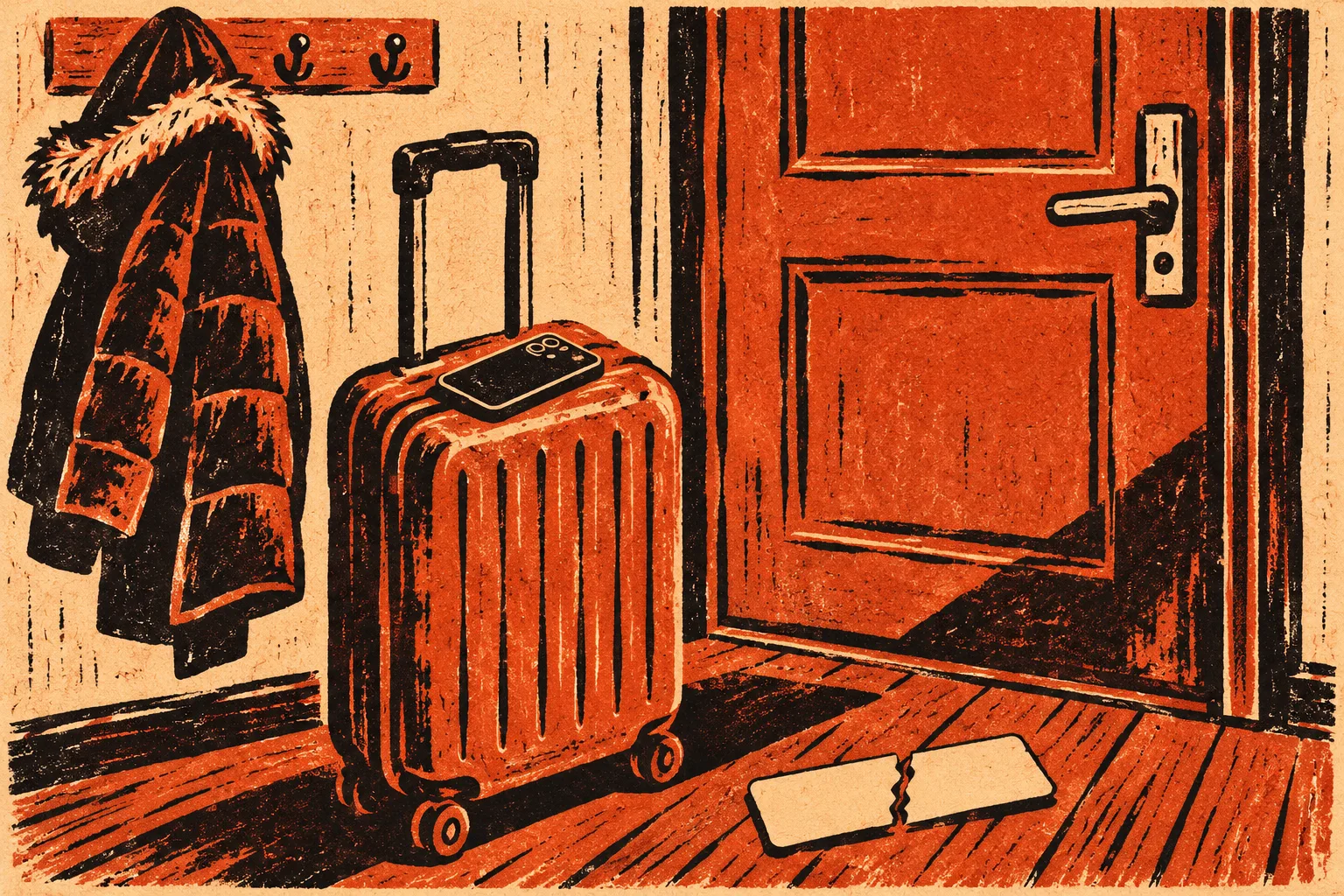
The flights home for the holidays were expensive everywhere you looked, until an “agent” on Instagram, Facebook or WhatsApp offered the same route for far less. You paid, you got a confirmation code, and now the airline has no record of you, or the booking was cancelled days later. Here is how to work out what you have, get money back where possible, and still get home.
A typical case
Picture a family of four booking flights for late December. Fares on the airline’s own site are around $600 each. A friend shares a post from a “travel consultant” who says she uses agency rates and can do $340 a seat. She is friendly, answers at all hours, and sends screenshots of happy customers. She asks for payment by Zelle or Cash App, “because card fees eat the discount.” A confirmation arrives with a six-character code. Two days later, or the week before departure, the airline says the reservation was cancelled or never ticketed, and the agent stops replying.
That is an illustration, not a reported case, but each piece of it has been described in public warnings. In one pattern the Better Business Bureau tracked and ABC11 reported in August 2019, people who booked cheap flights through convincing travel sites got a real airline confirmation code, and the reservation was cancelled a day or two later. Some also got a follow-up call asking them to “verify” their name, address and banking details, which gave the scammers enough to commit identity theft or make other purchases.
Wanting a cheaper way home is not a mistake. A confirmation code that works on the airline’s site for a day or two is persuasive, and plenty of careful travelers have paid on the strength of one.
Red flags, with the lines to watch
| Sign | Where the line is | Why it matters |
|---|---|---|
| Price | Well below what the same airline shows for the same flights and dates on its own site | Airlines and real agencies sell from the same fares. A large gap needs an explanation you can check |
| Payment method | Zelle, Cash App, Venmo friends-and-family, wire, crypto or gift cards | The FTC’s recovery guidance shows these are far harder to reverse than a credit card charge |
| Who sells | A personal profile or chat account with no agency name you can look up | You have nobody to hold responsible when the booking fails |
| Ticket proof | A screenshot or a code, but no e-ticket number from the airline | A reservation can exist briefly without being paid and ticketed |
| Follow-up call | Anyone asking to “verify” bank details or ID after you paid | In the BBB pattern, this call was used to gather details for identity theft |
| Deadline | “Pay in the next hour or the rate is gone” | Pressure cuts off the five minutes it takes to check with the airline |
Check what you actually have
Go to the airline’s own website or app, not a link the agent sent, and use “manage booking” with the confirmation code and your last name. Then call the airline using the number on its official site and ask two questions: is there a reservation in my name, and has a ticket been issued and paid for? If there is a reservation, ask whose card paid for it and whether it is at risk of cancellation.
If the agent says the booking needs a “fare difference,” “tax adjustment” or “reissue fee” to reinstate it, stop. Paying more money to the same person does not fix a reservation the airline itself does not recognize.
Getting money back, by how you paid
Move quickly; every option works better in the first days.
- Credit card. Call the issuer using the number on the card and dispute the charge as services not provided. The FTC’s page on disputing charges explains that under the Fair Credit Billing Act your written dispute must reach the issuer within 60 days after the first bill with the error was sent. The issuer must acknowledge it within 30 days and resolve it within 90.
- Debit card. Report it to your bank or credit union right away and ask for a refund. Federal protections for debit cards can depend on how quickly you act.
- Zelle or another bank transfer. Report it to your bank immediately and ask them to reverse it.
- Cash App, Venmo or PayPal. Report the payment inside the app and ask for a reversal.
- Crypto or gift cards. Contact the exchange, ATM operator or card company at once. Recovery is much harder, but a report is still worth making.
Write down everything before the account disappears: the profile name and link, the chat history, payment receipts, the confirmation code and any screenshots of the “itinerary.” Report the profile to the platform, and file at ReportFraud.ftc.gov and IC3.gov.
If you sent passports, IDs or card photos
Agents often ask for passport scans “for the booking.” A real airline booking needs your names as they appear on your travel documents, but not a picture of the card you paid with or your bank login. If you sent a copy of an ID or a Social Security number, follow the protective steps at IdentityTheft.gov/databreach. If you sent card numbers, ask the issuer for a new card even if the charge itself was legitimate.
Expect the next wave too. People who lost money in a travel scam often hear from a “refund agent” or “recovery service” that wants a fee. Our guide to the second scam that arrives as help explains how those work.
How this differs from other travel traps
This scam starts before you have a real booking. Two related problems start after. If you have a genuine ticket and searched for the airline’s support line after a cancellation, our guide on fake airline support during a cancelled flight applies. If a hotel or booking site asks you to “verify” your card in a message, see our piece on hotel card verification requests.
Booking the trip home again
If the money is gone, it may help to stop and decide on a budget before rebooking, rather than chasing the next deal. Then:
- Book directly on the airline’s site or with an agency you can verify independently, and pay by credit card.
- Read the final total before you press pay. The FTC’s November 3, 2026 alert on holiday travel booking advises scrolling past the payment button and unchecking add-ons you didn’t choose.
- Within a day, log in to the airline’s “manage booking” page and confirm that the ticket shows as issued in your name.
- Keep the e-ticket receipt with your dispute paperwork, in case your bank asks how much the replacement cost.
Your family still gets the holiday. The detour cost money and time, and the reports you file are how the next family is warned about the same profile.
Sources
- ABC11, Cheap airfare deals costing some travelers hundreds of dollars (August 16, 2019)
- FTC, What to do if you were scammed
- FTC, Using credit cards and disputing charges
- FTC, Booking holiday travel? Hidden fees can cost you (November 3, 2026)
- FTC, IdentityTheft.gov data breach steps
Found a factual error or a source that has changed?
Send a correction →