A ‘Reward Points Expire Today’ Text Got Your Card Number
You tapped a text saying your phone carrier or store points were about to expire and typed in card or personal details. What to do in the next hour and after.

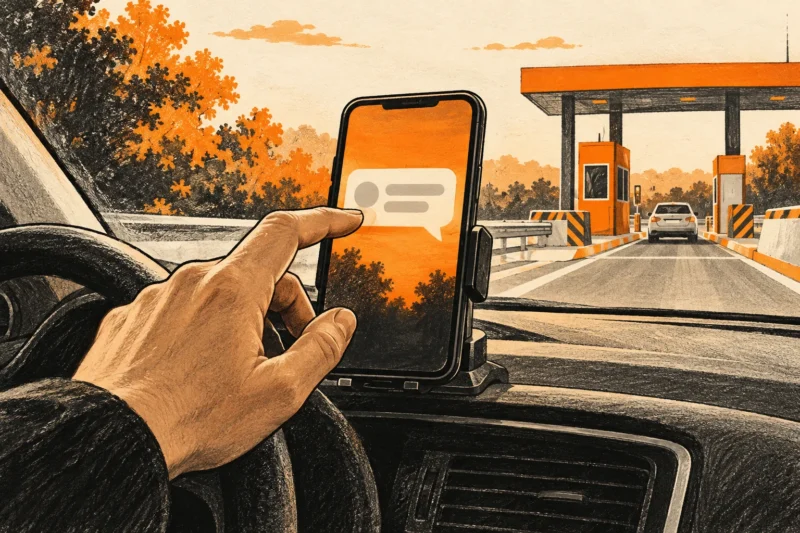
The text said thousands of points would vanish today unless you redeemed them, and holiday shopping was on your mind. You tapped the link, picked a “reward” and typed in your card to cover a small shipping charge, or filled in your name, address and more. Here is what to do first, then what to check over the coming weeks.
- Call your card issuer using the number on the back of the card. Say you entered the card on a phishing site and ask for the card to be replaced.
- If you typed a password for your carrier or store account, change it from the official app, then change it anywhere you reused it.
- If a verification code arrived by text while you were on the page and you entered it, call your carrier’s fraud line next.
- Screenshot the text and the web address before you delete anything.
- Forward the text to 7726 (SPAM), then report it at ReportFraud.ftc.gov.
What the text was
The FTC described this pattern in an April 7, 2026 consumer alert: messages saying your rewards points are expiring and that you must click a link to save them or they will expire today. According to the alert, people who click may be targeted for personal information such as a Social Security or credit card number, or for harmful software on the phone. The FTC did not name a company.
Security researchers have since tracked one version in detail. In a September 17, 2026 post, Malwarebytes said it had been monitoring texts claiming to come from T-Mobile since early May 2026. The researchers counted at least 81 domains used over four months and more than 1,000 closely related message templates, with invented balances such as 18,400 points and generic greetings like “Dear Valued Customer.” The links rotated through short-lived addresses built to look like the carrier’s. The same lure has used other carriers’ and retailers’ names, so the brand in your text is less important than what you typed into the page.
The texts work because loyalty points are real, expiry dates are real and many people really do have a balance somewhere. Acting on a deadline message is a normal reaction. The page you landed on was designed to take advantage of exactly that.
Match what you typed to what to do
| What you entered | Risk | Your next step |
|---|---|---|
| Card number, expiry and security code | Charges on the card, sometimes small test charges first | Ask the issuer for a new card number and to watch for charges. The FTC’s scam recovery guide notes federal law protects you from unauthorized use of credit and debit cards, so report it quickly |
| A debit card | Direct access to your checking account | Call the bank the same day and ask for a new card and a review of pending transactions |
| Your carrier or store account password | Account takeover, new orders, changed contact details | Change the password in the official app, turn on two-factor authentication and review recent orders and settings |
| A one-time code from a text | Someone may be logging in or porting your number | Call your carrier, ask about recent account changes and what it offers to stop your number being moved. Our guide to a phone that suddenly shows No Service covers the warning signs |
| Name, address, date of birth | Material for later, more convincing scams | Expect follow-up calls or texts that quote these details back to you |
| Social Security number | Identity theft | Use IdentityTheft.gov if it has been used, or IdentityTheft.gov/databreach if you are not sure, and consider a free credit freeze |
| Nothing, you only tapped the link | Possible unwanted download | Update the phone’s software, run your security app and do not install anything the page offered |
When the card issuer asks questions
Expect to be asked whether you authorized a charge. If the only thing you paid on the page was a small “shipping” or “handling” fee, say so, give the amount and the date, and tell them the site was impersonating a rewards program. Then ask whether any other charges have been attempted since. A replacement card stops future misuse even if the small fee itself is hard to recover.
If you paid with a debit card, ask the bank how long a dispute will take and whether you will get a provisional credit. Write down the claim number, the date and the name of the person you spoke with.
If something was installed
Some pages push an app, a “rewards wallet” or a configuration profile. If anything was downloaded or installed, the FTC’s recovery guide says to update or install security software, run a scan, delete anything it flags, then change your passwords and turn on two-factor authentication. Remove apps you do not recognize. If you are unsure, the phone’s maker or your carrier’s store can help you check.
The follow-up messages
Once a scammer has your number and a sign that you respond, more messages often follow. Common ones after a points scam include a “fraud department” call about the card you just used, a refund offer for the shipping fee, or a delivery text for the “reward” you ordered. Treat each of these as a new contact to verify, not as a continuation of anything real. Our article on small redelivery fees that put a card at risk shows how the delivery version usually reads, and “your refund is ready” messages are another common next step.
Your real card issuer may call too. If a caller says they are from the bank, hang up and call the number on your card. That is not rude, and a real fraud team will expect it.
Report the text so it gets blocked
The FTC’s spam text guide says to copy the message and forward it to 7726 (SPAM), which helps your wireless provider spot and block similar messages. You can also use the junk or spam option in your messaging app, with steps from Apple and Google Messages. Then file at ReportFraud.ftc.gov with the sender’s number, the link and what you entered.
Checking your points the safe way
Many people still want to know whether the points were real. You can find out without any risk. Open the carrier’s or store’s own app, or type its web address yourself, and look at the rewards section. The FTC’s alert recommends exactly that: go to the company’s website or app, find it yourself, and do not use any link from the text. If there really is a balance with an expiry date, it will be shown there.
A few habits help with the next one. A real program will not need your card number to give you something you already earned. A domain that adds extra words or ends in an unusual extension is a reason to stop. And a deadline of “today” is the oldest pressure tactic there is, so it is fine to let it pass and check later from the app.
Sources
- FTC, Got a text about expiring reward points? Look closer (April 7, 2026)
- Malwarebytes, T-Mobile rewards points expiry texts are a phishing scam (September 17, 2026)
- FTC, What to do if you were scammed
- FTC, How to recognize and report spam text messages
- Apple Support, reporting junk messages
- Google Messages Help, reporting spam
Found a factual error or a source that has changed?
Send a correction →