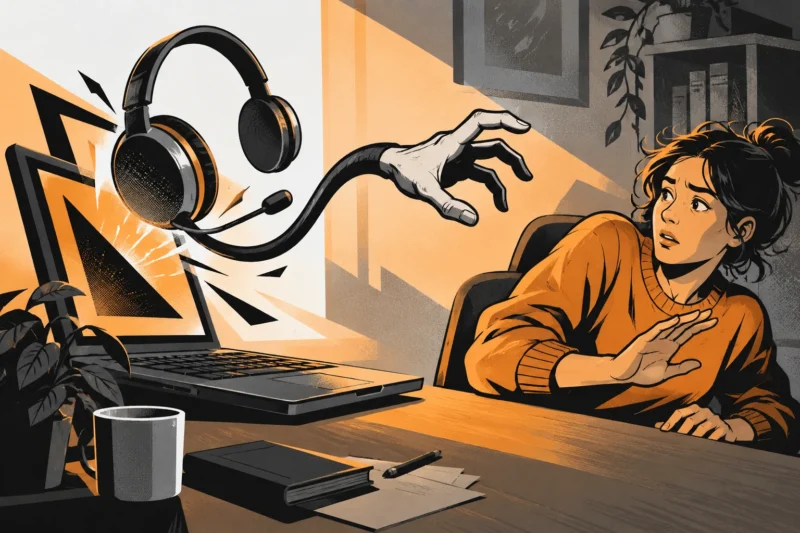
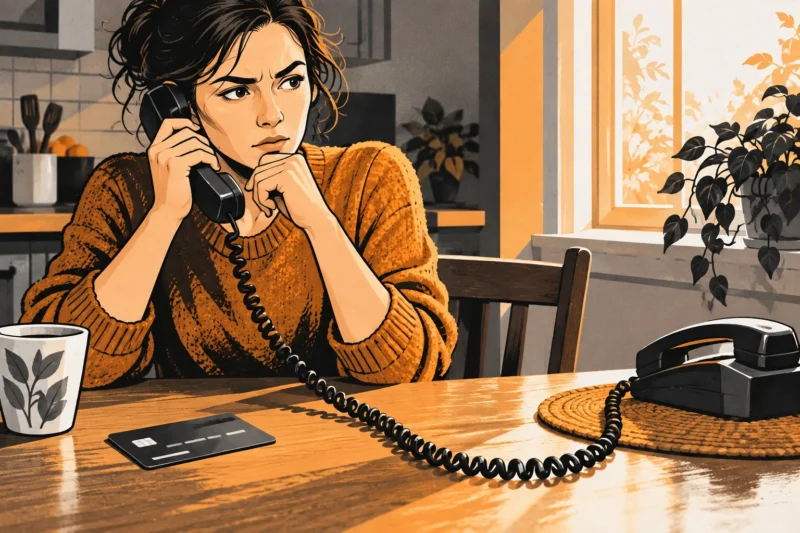
Missed jury duty, an arrest threat, and a caller who will not let you hang up
A caller may know the courthouse and sound official. The important check is outside the call, especially when payment is presented as the only way to avoid arrest.
The archive
Bank calls, false refunds and requests to move money.
A caller may know the courthouse and sound official. The important check is outside the call, especially when payment is presented as the only way to avoid arrest.
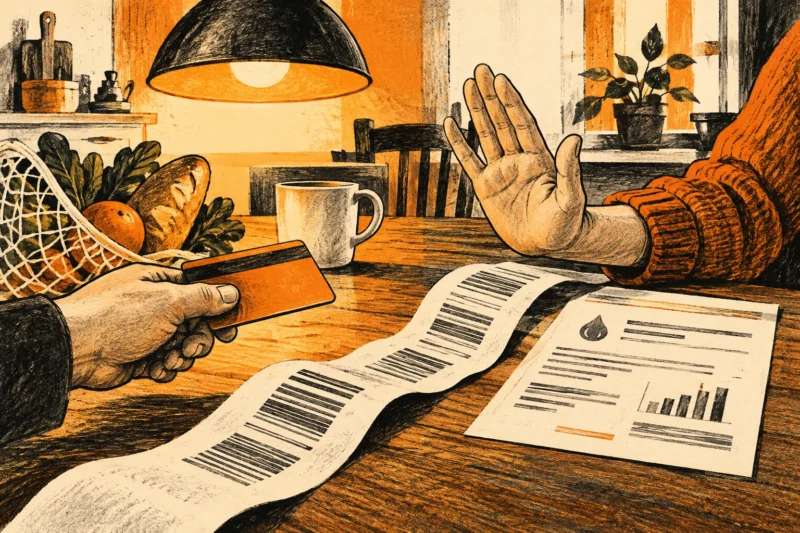
A real overdue bill can make a fake caller believable. Check the account separately, especially when the caller sends a barcode or demands a new payment route.
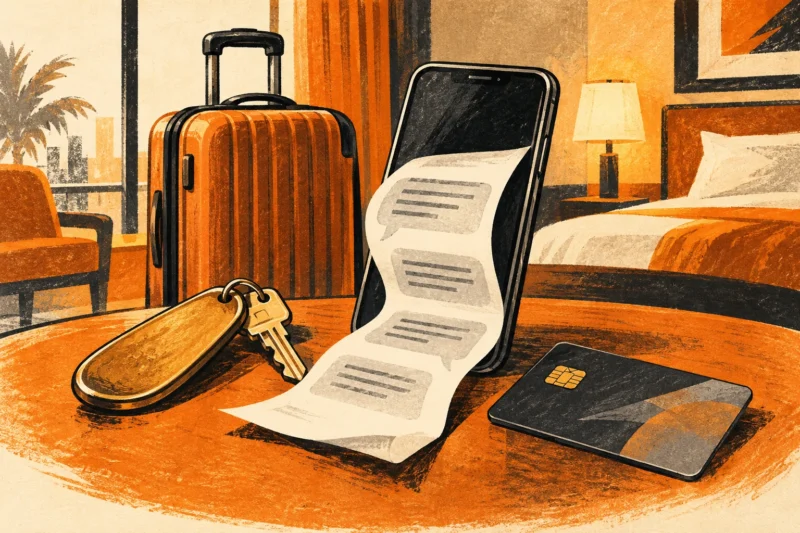
Correct stay dates and a familiar booking thread can make an unexpected payment demand feel safe. Check the original terms and use an independent support route.
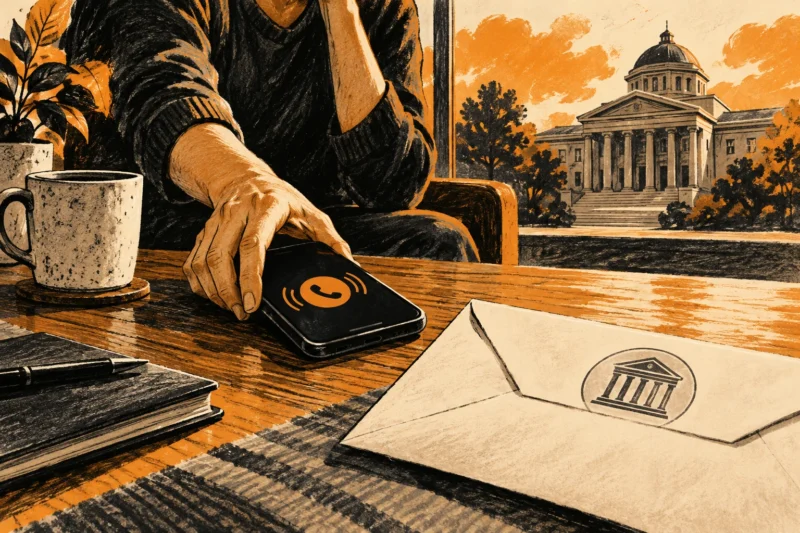
Expecting a delivery makes the message believable. It does not make a payment link safe, even when the fee is only a few cents.
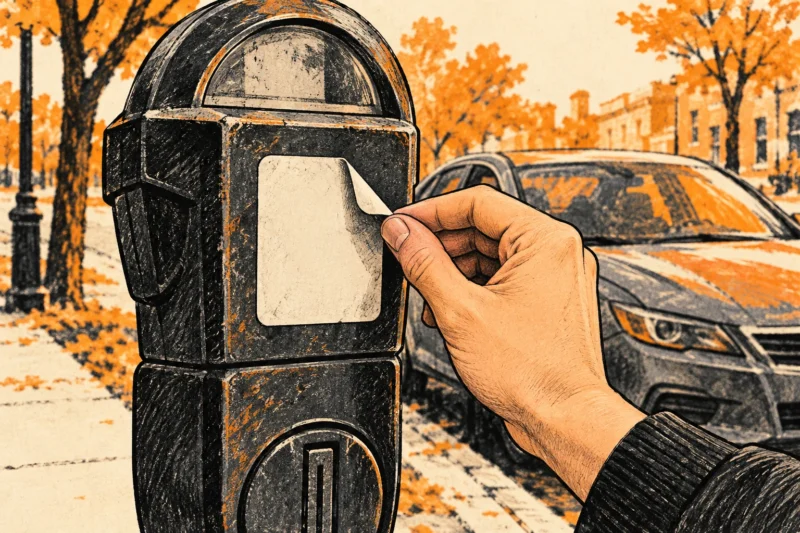
A convincing sticker can create two separate problems: exposed payment details and a parking session the operator never received.
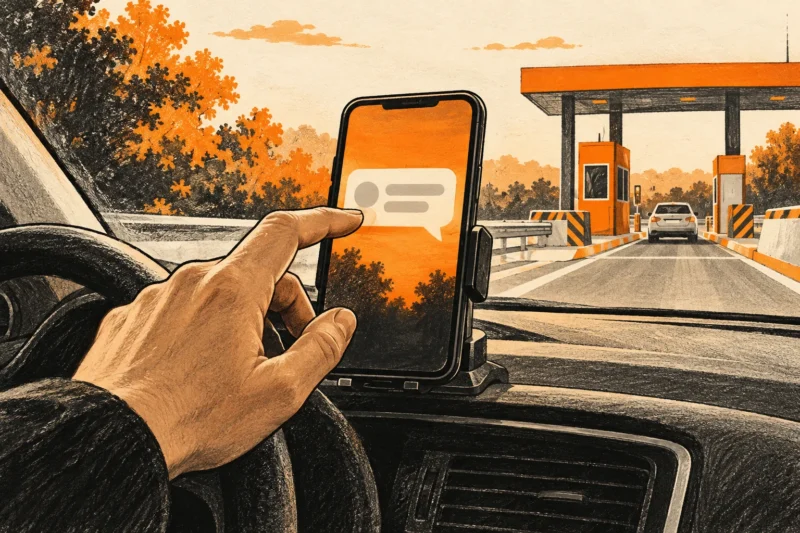
Separate a possible road charge from an unverified text, then respond according to what you actually shared.
Scamwatch’s July warning highlights a useful distinction: a familiar notification channel does not verify the purchase or the cancellation number.
Separate a browser message, a real account charge and remote access. They create different risks and require different responses.
The caller may know your name, your bank and part of your account history. None of that makes their destination account safe.