‘Your Airline Booking Data Leaked, Re-Verify Your Card’ Calls
After the Japan Airlines and Amadeus breach notice, a call asking you to re-verify your card is a red flag. What is confirmed, and what to do if you shared it.
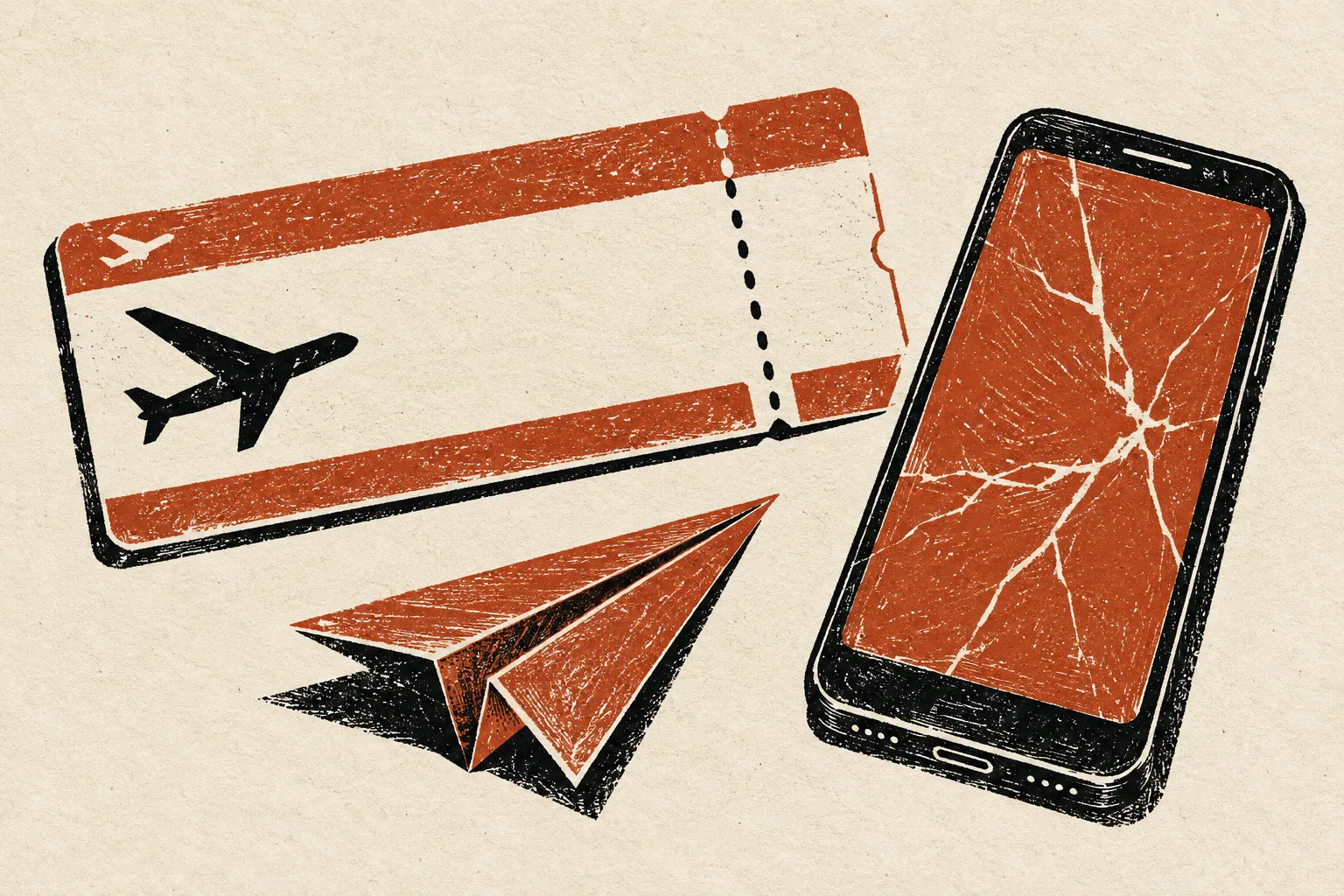
When an airline’s booking data leaks, the next phone call or email can sound like the airline cleaning up. A real breach gives a scammer a credible reason to ask you to “re-verify” a card. This is what is confirmed about the latest one, and how to answer that call.
What is confirmed, and what is not
Those points come from a report by The Record dated October 28, 2026. We could not open JAL’s own notice, so treat the numbers as a news report of the company’s statement, and check the airline’s website for updates.
The Record says Amadeus, which runs JAL’s reservation, ticketing and check-in systems, told JAL the previous week that hackers had accessed a portion of customer reservation data for JAL and Japan Transocean Air flights. For all affected customers, the data included names, reservation codes and flight information. For about 2,000 JAL customers, it also included passport numbers, frequent flyer numbers, email addresses and phone numbers. JAL said flight operations were not affected, and that it would contact affected customers individually and remind them to watch for phishing emails, fraudulent calls and suspicious websites impersonating the JAL Group.
We have not found a report of scam messages that used this particular breach, so this article is about what to expect, not about a campaign that is confirmed. The pattern is common to any airline breach, including one that affects you outside Japan.
Why a breach makes the call convincing
A caller who knows your name, your booking code and your flight does not sound like a stranger. Those are the details a real airline agent would also have. The point to hold onto: knowing your itinerary is not proof of identity. The details exist in the leak, and a person who holds them can quote them.
In this case there is a second, more useful fact. If card numbers were not part of the leaked data, then a request to “re-verify” your card because of the breach does not follow. Nothing about your card needs repairing, so the request is the red flag. The same reasoning holds for any breach notice: ask what was taken, and notice when the caller wants something that was not.
| What the caller says | Why it deserves a pause | What to do |
|---|---|---|
| “Your data was leaked. We need your full card number to secure your booking” | Securing a booking does not require reading out a card to an inbound caller. And card numbers were reported as not affected | End the call. Phone the airline using a number from your itinerary or its official site |
| “Click here to confirm your reservation was not affected” | JAL said it would contact affected customers individually. A link is not a check | Open the airline’s app or type the address and look up your booking there |
| “We will refund you, just confirm your card and the code we text you” | A code sent to you is for your account, not for a caller | Never read a code to anyone who contacted you |
| “Your passport number was exposed, send a photo to confirm” | The airline already holds what it needs. A new copy of your document would add exposure | Do not send documents. Ask the airline how it contacts customers |
If you gave your card details
Do this in order, and do not wait for a charge to appear.
- Call the card issuer using the number on the back. Say the details were given to someone who contacted you about an airline breach, and ask for the card to be replaced.
- Review recent charges and report any you do not recognize. For unauthorized use, the FTC says federal law protects you on credit and debit cards.
- Change the airline account password, and anywhere you reused it. The FTC says to turn on two-factor authentication.
- Report it: ReportFraud.ftc.gov, and tell the real airline what happened through its official channel.
If you read out a one-time code, treat the account that sent it as exposed and change that password right away. The steps in the FTC’s what to do if you were scammed cover card, bank, transfer, gift card and crypto payments.
If your passport details were in the leak
The Record reports that the larger data set for about 2,000 customers included passport numbers. If you are told your own details were involved, ask the airline directly what was exposed and what it recommends. We did not verify a specific US process for reporting a possibly exposed passport number, so confirm with the passport-issuing agency and the airline instead of relying on a general rule. The FTC’s IdentityTheft.gov will help you plan around other exposed identifiers.
Related situations
A fake support number after a real cancellation works the same way; see the cancelled-flight guide. A hotel message that asks for card verification is covered by the hotel card-verification guide.
If you are not an affected customer
The Japan Airlines case matters outside Japan because the pattern is portable. Whenever an airline, hotel or ticketing company discloses a breach, a short window opens in which people who do not hold your data can pose as people who do. Even if you never flew JAL, the same question applies to the next notice: what was taken, and does the request just received make sense given what was taken?
A short script for the call back
If a caller says they are from an airline and you think it may be real, say: “Thank you, I will call you back on the number printed on my itinerary.” Then end the call. Find the number on a booking email you received before the breach, on the airline’s website typed in by you, or on the airline’s app. A genuine representative will not mind; a caller who objects or presses you to stay on the line has given you the answer.
When you reach the airline, ask three questions: whether it contacted you, what data of yours was involved, and what it recommends. Write down the answers with the date and the representative’s name.
Sources
- The Record, Japan Airlines breach report (October 28, 2026)
- FTC, What to do if you were scammed
- FTC, How to recognize and avoid phishing scams
Found a factual error or a source that has changed?
Send a correction →