You Wired a Deposit to a Cloned Car Dealer Site: First Steps
The dealer site copied a real one and the car does not exist. How to ask for a wire recall today, what the FBI's freeze process needs, and what to expect next.
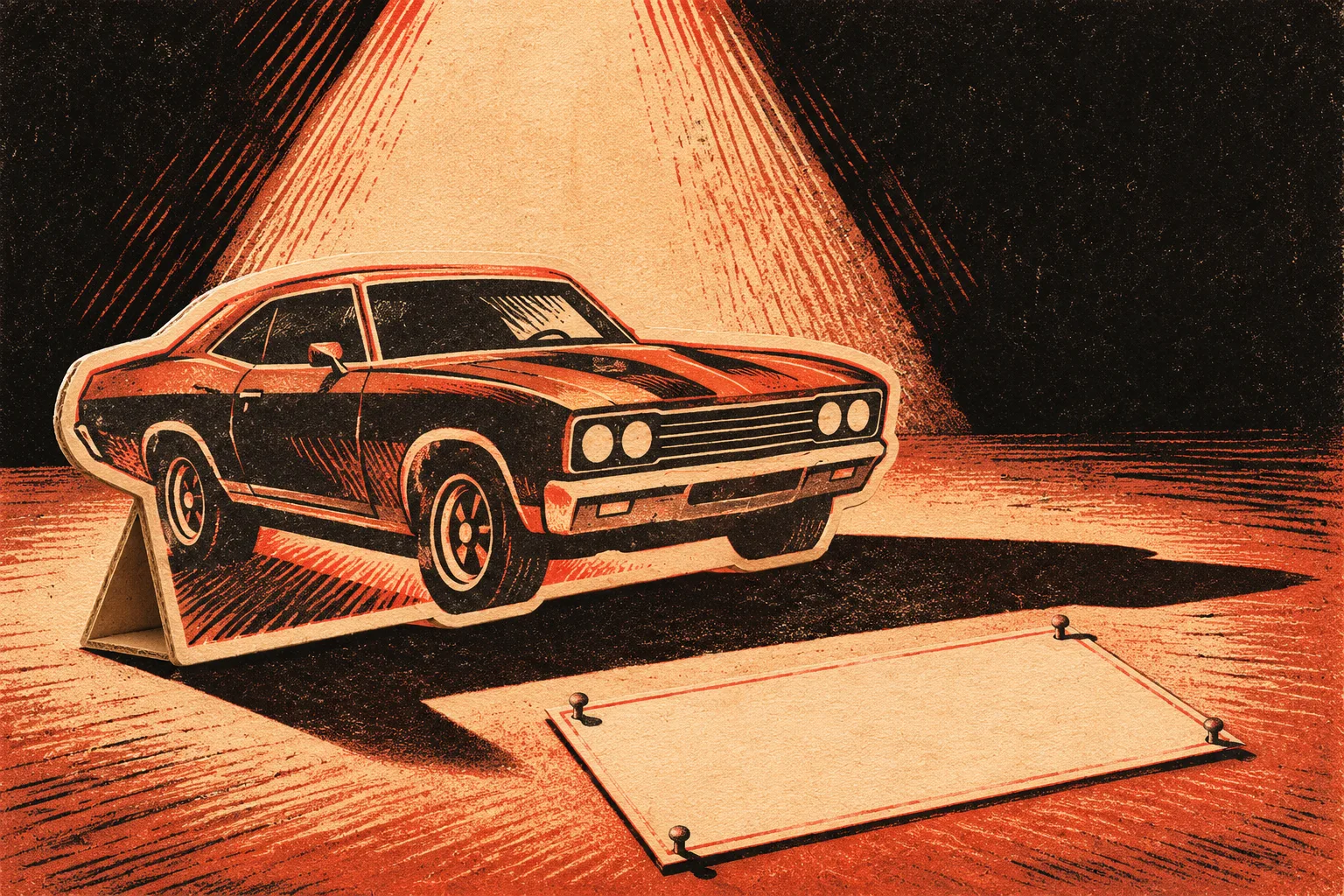
You found the car you had been hunting for, on a dealer website with logos, photos, reviews and a detailed buying process. You wired the deposit. Now the phone goes to voicemail, or the real dealership says it has never heard of you. Work through the first hour below before anything else.
The first hour
- Call your bank’s fraud line now. Use the number on your card or the bank’s own website. Say: “I sent a wire under false pretenses and I want to request a recall.” The FBI’s Internet Crime Complaint Center tells victims to contact the sending bank as soon as fraud is recognized to ask for a recall or reversal.
- Ask for two documents by name. The same IC3 guidance says to request a Hold Harmless Letter or Letter of Indemnity along with the recall. Your bank will know what these are; they are part of how banks ask each other to return funds.
- File at ic3.gov the same day, with every banking detail you have: the receiving bank, routing and account numbers, the amount, the date and time of the wire, and the wire reference number from your receipt.
- Stop paying. If the “dealer” asks for a second payment for shipping, insurance, registration or “release fees,” do not send it.
- Save everything before it vanishes. Screenshot the website, the listing, the address bar, the invoice, every email and text, and the wire instructions they sent.
The IC3’s Recovery Asset Team works with banks to freeze money sent to US accounts under false pretenses. Its brochure for the Domestic Financial Fraud Kill Chain reports that in 2025 it handled 3,574 incidents with $832,965,941 in losses, and that $507,042,623 was frozen, a 61% rate. Freezes depend on the money still being in the receiving account, so a complaint filed today has a better chance than one filed next week.
How the cloned dealer worked
The Federal Trade Commission described this setup in a September 1, 2026 consumer alert. Scammers “clone a real auto dealer’s website,” copying the logos, the vehicle listings and the photos “down to the last detail,” and sometimes adding fake customer testimonials. The cars on offer are often the kind people search far and wide for, which the FTC describes as “rare muscle cars or hard-to-find classics.” The site explains the buying process in detail and offers flexible returns, which lowers your guard. Then it asks for payment up front, and the FTC singles out one demand in particular: a dealer that insists on payment by “wire transfer only.”
None of that is a reflection on your judgment. A site built by copying a real business looks like the real business, because it is made of the real business’s own pictures and words. The point now is to move fast on the money.
Timeline: what to do and when
| When | What to do | Why |
|---|---|---|
| Hour 1 | Call your bank’s fraud line, request a recall, ask for the Hold Harmless Letter or Letter of Indemnity | IC3 guidance says to contact the originating bank as soon as fraud is recognized |
| Same day | File a detailed complaint at ic3.gov with full banking details | The IC3 says the complaint should contain all required data in the fields provided, including banking information |
| Same day | Report at ReportFraud.ftc.gov, which the FTC’s alert names as the place to report this scam | Adds the site and payment details to the FTC’s complaint data |
| Day 1–2 | Call the real dealership whose site was copied, using a number you find independently | They can confirm the clone, may already be collecting reports, and can ask hosts to take the copy down |
| Day 1–3 | File a police report where you live and keep the report number | Banks and insurers often ask for one |
| Week 1 onward | Follow up with the bank by reference number and write down every call | Recalls are a request to the receiving bank, not a guarantee |
A script for the bank call
Fraud lines move faster when you give them the details in order. Have your wire receipt in front of you.
“I sent a wire on [date] for [amount] to [receiving bank], account ending [last four digits], reference number [number]. I sent it as a deposit on a vehicle from a website that turned out to be a copy of a real dealership. I’m reporting this as fraud and requesting a recall or reversal. Can you also issue a Hold Harmless Letter or Letter of Indemnity to the receiving bank? I’m filing an IC3 complaint today. What’s the reference number for this call, and who should I follow up with?”
If the representative says a completed wire cannot be reversed, ask them to send the recall request anyway and to note your request on the account. Ask whether the bank has a dedicated wire fraud team you can reach directly.
If you paid another way
The FTC’s page on what to do if you were scammed covers the other common methods.
| You paid by | First call | What to ask |
|---|---|---|
| Bank wire | Your bank or credit union, immediately | Reverse or recall the payment |
| Western Union, MoneyGram or another wire company | The wire company, immediately | Tell them a scammer tricked you into sending money and ask for it back |
| Credit card | The issuer, using the number on the back of the card | Refund the charge; the FTC notes federal law protects you from unauthorized use of your credit card |
| Debit card | Your bank or credit union | Refund the charge and replace the card |
Did you share more than money?
Dealer sites often ask for a copy of a driver’s license, proof of insurance or a credit application “to prepare the paperwork.” If you sent any of that, the money is not the only thing to protect.
- A Social Security number or credit application: the FTC points you to IdentityTheft.gov. If the number has already been misused, you get a recovery plan; if not, follow its steps for exposed information. A credit freeze at the three bureaus is free.
- A photo of your driver’s license: note it in your IdentityTheft.gov report and contact your state motor vehicle agency to ask what it recommends.
- A password you reuse: if you created an account on the fake site, change that password anywhere else you use it.
Calling the real dealership
The business whose website was copied is a victim too, and it may be the fastest way to confirm what happened. Find its phone number through the vehicle manufacturer’s dealer locator, a map listing you trust, or a printed ad, not through the site you paid. Ask whether the vehicle exists and whether it has had other calls about a copied site. Tell them the web address you used. If they confirm the clone, add that to your bank, IC3 and FTC reports.
Be ready for a hard answer. The real dealer has no obligation to honor a deal you made with an impostor, and the car in the photos may have sold long ago or may never have been in that inventory.
What to watch for next
People who have lost money are often contacted again. A caller may say they are with a law firm, an “asset recovery” company or even a government office, and offer to get the deposit back for a fee. The FTC’s warnings about recovery offers after a loss apply here: do not pay anyone who contacts you out of the blue with a promise to recover the money. Your bank, the IC3 and your local police are the routes that work without a fee.
The fake “dealer” may also come back with a story: a shipping delay, a customs hold, a buyer-protection fee that releases the car. Each is another request for payment. Keep the messages as evidence and do not answer them.
What to expect over the next weeks
A recall is a request, not a switch. Your bank asks the receiving bank to return what is left in the account; if the money has already moved on, there may be little or nothing to return. Some people get all of it back, some get part of it, and some get none. The IC3 complaint matters either way. It can trigger a freeze, and it puts the account and the website in front of investigators who see many similar reports.
If you are still shopping for the car, the FTC’s advice for next time is simple. Search the dealer’s name with words like “scam” or “complaint,” insist on seeing the car and the dealership in person, and if the car is far away, ask to hire a mobile inspection service. A dealer that refuses is a dealer to walk away from. For other online purchases that went wrong after you paid, the lookalike store guide covers card disputes, and the off-platform checkout guide explains why payment method shapes your protection.
Sources
- FTC, Scammers are spoofing car dealership websites: What you need to know (September 1, 2026)
- FBI IC3, Domestic Financial Fraud Kill Chain (D-FFKC) Process
- FTC, What to do if you were scammed
- FTC, IdentityTheft.gov
Found a factual error or a source that has changed?
Send a correction →