Your Holiday Order Arrived, but It’s Not What the Ad Showed
The coat in the ad arrived as a thin copy, and the seller wants you to pay to ship it overseas. Refund routes, dispute deadlines and the replies to expect.
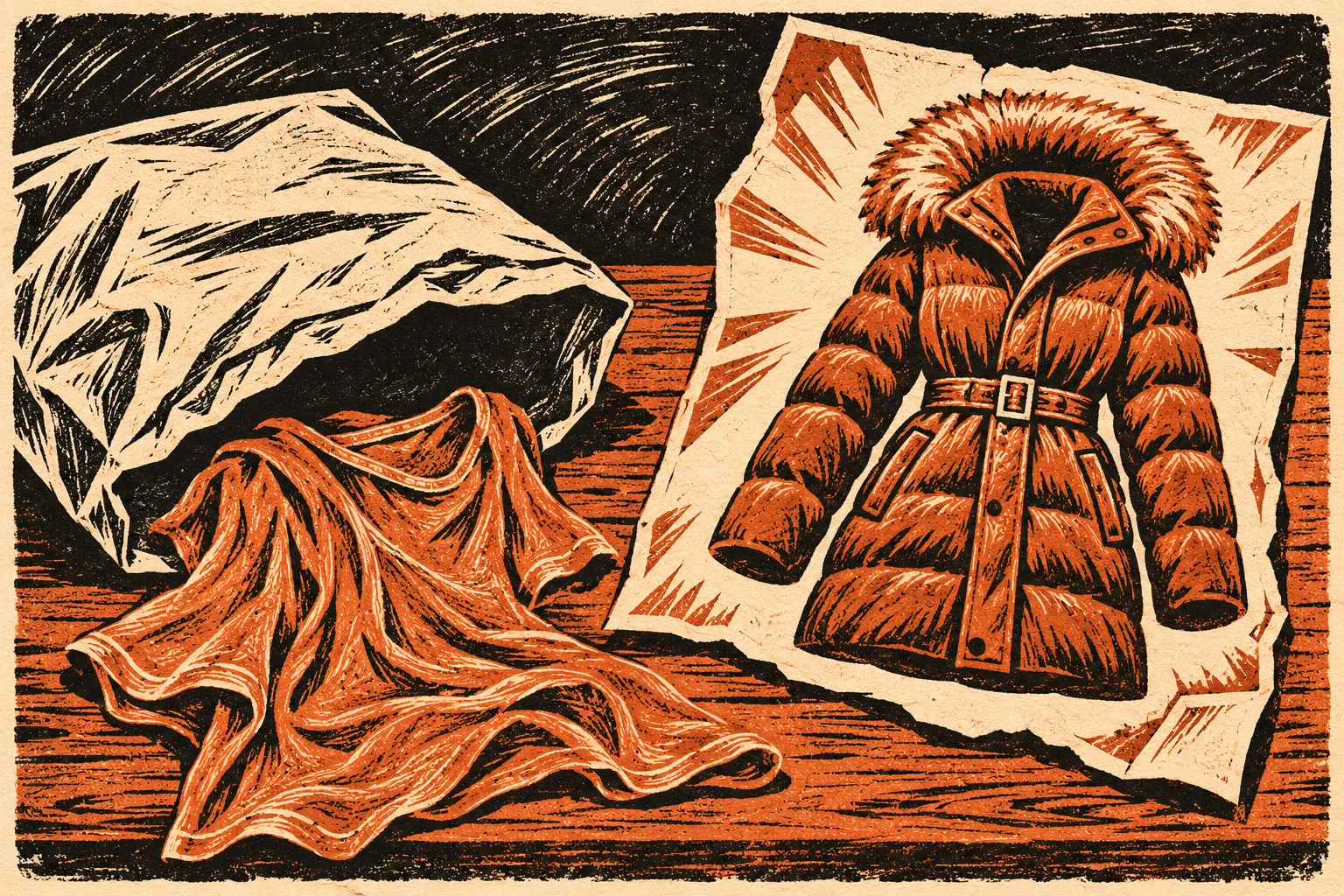
The ad showed a wool coat or a working drone, and the parcel holds a thin imitation or a toy version. The seller offers 20% back to keep it, or a return to an address overseas at your expense. Before you reply, work out which refund route you actually have.
| How you paid | Your strongest route | Watch out for |
|---|---|---|
| Credit card | A billing dispute for goods “not delivered as agreed” | The FTC’s dispute guide says a written dispute must reach the issuer within 60 days after the first bill showing the charge |
| Debit card | Ask your bank or credit union to dispute it. The FTC offers a sample letter for this | Protections are generally narrower than for credit. Ask quickly |
| PayPal or another service with buyer protection | That company’s own item-not-as-described process | Each has its own deadline, so check your account today |
| Zelle, wire, gift card or crypto | Report to the payment company and ask for a reversal, as the FTC recommends | These are hard to reverse, so be realistic about the outcome |
| Buy-now-pay-later | Contact the lender and keep making required payments unless it tells you otherwise in writing | Dispute protections vary by lender |
Did the seller do something wrong, or just something cheap?
Some disappointing products are simply disappointing. What separates a bad buy from a deceptive one is the gap between what you were promised and what came. The FTC’s business guide to the Mail, Internet, or Telephone Order Merchandise Rule says a seller cannot substitute materially different merchandise unless the customer agreed beforehand, and treats changes to design, style, color, material or intended use as material. That is a rule addressed to sellers, but it gives you useful language.
Write down exactly what was advertised and exactly what arrived. “The listing said 100% wool, the label says polyester” is the kind of sentence that wins a dispute. “It looks cheap” is far weaker.
Screenshot the product page, including price and any material or size claims, and save the order confirmation. Photograph what arrived next to a ruler or the packaging. Sellers often edit or delete listings after complaints start, and stores behind these ads often vanish entirely.
What the seller will probably say
“We’ll refund 20% and you can keep it.”
This offer is designed to end your complaint for a small cost. If you accept it, you may lose your dispute rights because the matter looks settled. You can say no. Reply in writing that the item is materially different and that you want a full refund.
“Ship it back to us, at your cost.”
See the last section below before you send anything. Shipping costs can exceed what the item was worth, and tracking disputes tend to favor the seller.
“Our supplier made a mistake, please wait.”
Give a short deadline in writing, such as seven days. Your clock with the card issuer keeps running while you wait.
“You agreed to our terms.”
A store’s terms do not change what your card issuer or a state regulator will accept as misleading. Save the terms anyway.
No reply at all
The FTC’s advice on undelivered orders is to contact the seller first and dispute the charge if that does not work. One documented attempt is enough. If the store stops answering, go straight to the issuer.
Filing the dispute
- Contact the card issuer online or by the number on the card. Choose the option closest to “item not as described” rather than “fraud” unless you never authorized the charge.
- Follow up in writing to the billing inquiries address, not the payment address. The FTC recommends certified mail with return receipt.
- Attach copies of the screenshots, photos and your message to the seller. Keep the originals.
- Ask what the issuer wants you to do with the item.
One limit is worth knowing. Federal rules for disputes about the quality of goods have conditions, according to the FTC: the purchase must be over $5, you must have tried to resolve it with the seller, and it must have been in your home state or within 100 miles of your billing address. Billing errors, including items not delivered as agreed, are a separate category without those limits. Many issuers also have their own chargeback rules that go further. Ask which category they are using.
When it looks like the store itself was fake
If the site is gone, the address is a residence or the customer service email bounces, treat it as a scam and say so to your issuer. Report it to ReportFraud.ftc.gov and your state attorney general. Our guides to a lookalike Amazon-style store and clearance sales in your social feed cover spotting and leaving those sites.
If you gave the store a password you use elsewhere, change it. If your card number was on the site, ask for a new card number while you are on the phone.
Also watch for messages about your dispute that arrive soon afterward. A “refund ready, verify your account” text at this stage is a known trap, and we explain how to handle it here.
The return-shipping trap
Holiday buyers run into this constantly. The seller approves a return, but only to an overseas warehouse, at your cost, and the postage is more than the purchase price. Do not pay until you have spoken to your card issuer. Ask three things: Do I have to return this? If so, where and at whose cost? What proof will you need?
If the issuer does want it returned, use a tracked service and keep the receipt. If the seller refuses to provide a return address, write that down too, because a refusal is evidence in itself. If you are told to throw it away or keep it, get that in writing before you do.
And if it never comes to a return: the FTC’s rule guide says refunds on cancelled orders are generally due within seven working days, or one billing cycle where the seller itself is the creditor. Hold on to the original order date and the date you complained.
Sources
- FTC, Business Guide to the Mail, Internet, or Telephone Order Merchandise Rule
- FTC, Disputing credit card charges
- FTC, What to do if your online order never arrives (December 12, 2022)
- FTC, What to do if you were scammed
Found a factual error or a source that has changed?
Send a correction →