A Back Brace Arrived That Nobody Ordered: Medicare Steps
A brace or medical supplies showed up after a 'free' offer, and Medicare may have been billed. What to do with the box, how to check claims and who to tell.

The box came with a packing slip from a company you have never heard of. Inside: a back brace, a knee brace, perhaps both. You, or a parent, may have said yes to a phone offer weeks ago, or only confirmed a name and date of birth. Here is what to do with the box, the claim and the number that got out.
The HHS Office of Inspector General describes this exact pattern. Scammers offer orthotic braces and other equipment they claim are free and covered by Medicare, reaching people by phone or through TV and radio ads. Giving or even confirming personal or Medicare information can be enough for a brace to ship, requested or not, and Medicare is billed. Multiple braces are common. The scale has been large: AARP reported in October 2024 that law enforcement in 2019 charged 24 defendants in 17 federal districts over $1.7 billion in claims, of which about $900 million had been paid.
What to do with the box
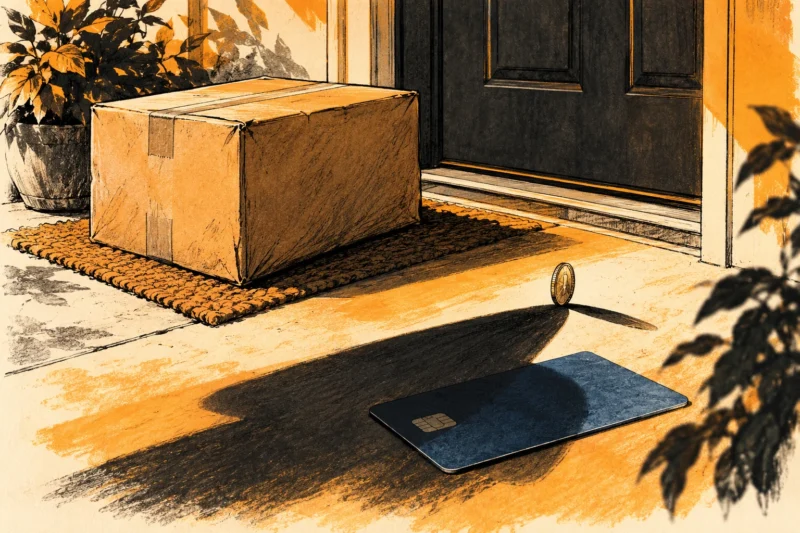
OIG’s advice is to refuse or return unordered equipment and to record the sender’s name and the date of return. If it is still at the door and unopened, you can refuse it. If it has already been opened, write down the sender and the date, photograph the label and packing slip and hold on to the paperwork before you send anything back.
AARP’s reporting notes that people who received braces their doctor did not prescribe may face a health risk, and that the wrong device could worsen pain. If you do need support for your back or knee, ask your own doctor, who can order the right one.
Do not call the number on the packing slip to complain and give your details again. Anything you confirm on that line can be used for the next shipment.
Then find out what Medicare was billed
Medicare advises checking your claims regularly. A secure Medicare.gov account lets people with Original Medicare see claims as soon as they are processed, which is much faster than waiting for the mailed summary. People with a Medicare Advantage plan should check the plan’s Explanation of Benefits instead.
| What you see on the statement | What it may mean | What to do |
|---|---|---|
| A brace or supplies from a company you do not know | A claim was filed for the shipment | Report it, with the date and the supplier’s name |
| A doctor’s name you have never seen | OIG notes that some suppliers use an authorizing provider with no relationship to the patient | Mention this specifically in your report |
| Repeat monthly supplies you never used | OIG’s catheter alert describes monthly billing for unneeded items, which may or may not be shipped | Compare against what actually arrived, then report |
| Items that were billed but never arrived | A claim with no delivery | Report it. The SMP program flags this directly |
| Nothing yet | The claim may not have processed | Check again in a few weeks, and keep checking for several months |
Who to call
You have three good options, and you can use more than one.
- Your state’s Senior Medicare Patrol, 877-808-2468. SMP volunteers can help you read your statements and make the report. This is the best first call if the paperwork feels overwhelming.
- 1-800-MEDICARE (1-800-633-4227). You can report suspected fraud here. If you have a Medicare Advantage or drug plan, the Medicare fraud page also lists the I-MEDIC contractor at 1-877-772-3379.
- HHS-OIG Hotline, 1-800-447-8477. OIG takes reports by phone and online at oig.hhs.gov/fraud/report-fraud.
Have the supplier’s name, the shipping date and tracking number, the name of any caller and any phone number that showed up on your caller ID ready when you make the report. Our guide to a free genetic test that asked for your Medicare number follows the same reporting path.
Why a brace you never wanted can affect you later
OIG warns that if unneeded equipment gets billed to Medicare, Medicare may deny a brace you actually need in the future. A report creates a record that this claim was not yours. That is worth doing even if you owe nothing today.
If a bill arrives
AARP’s report says that with a Medigap or retiree supplemental policy, you may not be charged for the equipment. Do not pay a bill for something you did not order until SMP or Medicare has helped you look at it. If a charge has already gone through to your bank, AARP suggests asking the bank whether the payment can be stopped. A card payment can be disputed with the issuer.
Your Medicare number is out there now
Treat the number as exposed. Tell Medicare it was given to a caller and ask what they advise about getting a new number. Then keep looking at each statement for several months, since a second supplier may use the same details.
If you also shared a Social Security number or bank account, take those through IdentityTheft.gov and your bank. The same callers may try again with a new product, or claim to be Medicare checking on the old one. Our guide to open-enrollment calls this season explains how to verify a caller, and OIG’s advice is simple: do not give your Medicare information to anyone other than your doctor’s office.
Talking with a parent about this
If you are the adult child who found the box, start with what the scammer did, not what your parent did. These calls are designed to sound like a benefit they have earned, and confirming a date of birth feels like ordinary politeness. Ask to look at the statements together. Offer to sit in on the SMP call. If your parent is embarrassed, you might point out that the 2019 charges alone covered $1.7 billion in claims, and that means a huge number of people received the same kind of call.
Then agree on a house rule you can both remember: anything medical that is offered by phone goes through their own doctor first. Keep the number for SMP near the phone.
Sources
- HHS-OIG, Fraud Alert on orthotic brace scams
- HHS-OIG, Consumer alert on catheter scams (updated April 30, 2024)
- AARP, Nationwide medical brace scam (October 7, 2024)
- SMP Resource Center, Durable medical equipment fraud
- Medicare.gov, Reporting Medicare fraud and abuse
Found a factual error or a source that has changed?
Send a correction →