A Holiday Cabin Rental That Doesn’t Exist: Steps If You Paid
You booked a holiday cabin from an ad and the host wanted payment off the booking site. What protection changes, who to call first, and recovery steps by time.
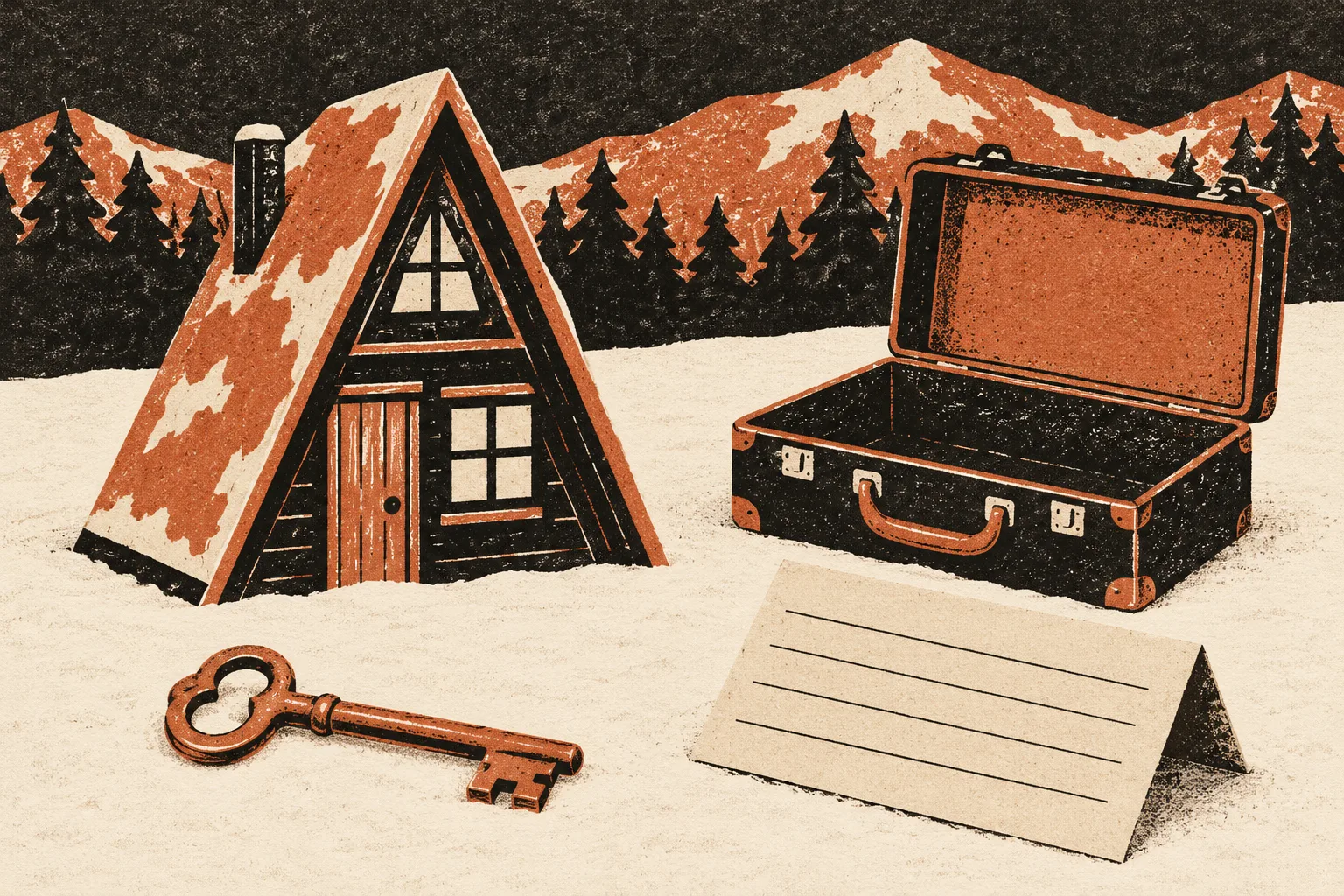
The cabin photos were lovely, the price was fair for the holiday weekend, and the host wrote back within minutes. Then came a note: pay by bank transfer or an app to “avoid fees.” This is the moment to stop, and the order of steps if you did not.
Holiday cabin bookings often happen quickly, because good places go early. A listing seen on a social post or a classifieds site, a friendly host and a deposit that feels like a normal hurdle: that rhythm is familiar, which is exactly what a fake listing copies.
The FTC’s vacation rental alert describes three versions of the problem. Scammers may copy a real listing, swap in their own contact details and post it elsewhere. Some hijack the email accounts of owners on legitimate rental sites. Others invent a property that is not for rent or does not exist, often with great amenities or below-market prices. The advice is the same in each: do not wire money or pay with a prepaid or gift card, because once the scammer collects it, it is almost impossible to get back.
A host who asks you to leave the booking site’s payment system and send money another way. Airbnb’s help page on paying outside the platform says doing so means you “will lose the AirCover protection,” that it puts you at greater risk of fraud, and that paying by wire or bank transfer may indicate a fraudulent reservation.
What payment route changes
| You paid | What protection may apply | Where to go first |
|---|---|---|
| Through a platform’s checkout | The platform’s own guarantee or policies, which differ by company. Airbnb ties AirCover to payments made on Airbnb | The platform’s help center and report tools |
| Credit card, directly to the “host” | You can dispute a billing error with the card issuer. The CFPB’s deadline is a written notice within 60 calendar days after the charge appeared on your statement | Call the number on the back of the card today |
| Debit card | Different from credit cards, per the FTC; ask about the bank’s own protections | Your bank, using the number on the card |
| Bank transfer, Zelle or another app | The FTC says to contact the bank or app immediately and ask for a reversal. Recovery is not assured | Bank fraud line, then IC3 |
| Wire, prepaid or gift card | The FTC calls recovery almost impossible once collected, so speed matters | The wire company or card issuer immediately |
We could not open Vrbo’s help pages while researching, so we are not stating Vrbo’s guarantee terms here. Read the current terms on the platform you used, and note whether your payment went through its checkout.
When you notice something is wrong
Common signs: the host will not take a video call or answer a simple question about the property, the address cannot be matched to a real place, the confirmation looks like a template, or a new reason to send more money appears. Nothing about noticing late means you were careless. The FTC suggests getting a copy of the contract before sending a deposit, confirming the address exists, and being suspicious of unusually low rent for a premium property; those checks are easy to skip when a weekend is at stake.
First hour
- Stop paying anything further, including “cleaning” or “security” fees.
- Screenshot the listing, the messages, the payment confirmation and the host profile.
- Call your bank, card issuer or app. Tell them the payment went to a rental that may not exist and ask what can be done.
- If the listing was on a platform, report it there. Airbnb says to report any host asking for off-platform payment.
Same day
- File at ReportFraud.ftc.gov. The FTC’s alert says to report whether or not you lost money.
- For a bank transfer, ask the bank to recall the funds and provide any indemnification documents, and file at ic3.gov. The FBI’s 2025 IC3 report says time is of the essence and asks victims to file whatever the amount.
- Contact the property if you can identify the real owner or manager, so they know their photos are in use. Do this through details you find independently, not the ones in the message.
Next week
- Send the written billing error notice if you paid by credit card, and keep a copy.
- Rebook through a booking channel whose checkout you can verify, ideally with a card.
- Be wary of anyone offering to recover your deposit for a fee; read the recovery-offer guide.
Is this the same as a rental deposit scam?
It is a close relative with different stakes and timing. The long-term rental version is about a lease and a deposit before a viewing; see verifying who can rent you the home. The off-platform payment pattern is the same one explained in the marketplace checkout guide. If you are the owner whose listing was copied, this guide is for you.
If the trip is days away
Treat the booking as unconfirmed and start looking for an alternative now, because refunds can take longer than the calendar allows. If a family is relying on the plan, a modest hotel booking paid by card is a safer fallback than hoping the host appears.
Questions to ask before paying a host
The FTC’s rental advice translates into a short list you can send in a message or ask on a call: Can I see the lease or booking terms in writing before I pay? Can you confirm the property address, and can we have a short video call that shows the place? Is there a payment method inside the booking site? A real owner can answer these. If the host dodges them or pushes a deadline, the reasons to wait add up. The FTC also advises being suspicious of unusually low prices for premium properties.
Telling the people you booked for
If the booking was for a family or group, tell them early. Say that the reservation may not be real, that you are working on it, and that you are looking at alternatives. Holding the news back usually makes the logistics worse and does nothing for the money. Keep the message factual and short, and avoid forwarding the host’s messages to people who may reply to them.
Sources
- FTC consumer alert, “Getting a vacation rental? Watch out for scams” (July 2018)
- Airbnb Help Center, paying outside Airbnb
- FTC, What to do if you were scammed
- CFPB, How do I dispute a credit card charge?
- FBI IC3, 2025 Annual Report
Found a factual error or a source that has changed?
Send a correction →