The Gift Card You Gave Was Empty: Card Draining Explained
A gift card shows a zero balance before it was used. How draining can happen, who to call, what to keep, and what the FTC says about getting money back.

The gift you bought, or received, shows a zero balance. Card draining is one explanation, and there are ordinary ones too. Here are the questions people ask first, with the steps that protect your claim.
Is a zero balance always draining?
No. Before assuming tampering, rule out the plain explanations. Has the recipient (or you) already spent it? Was the number or PIN typed correctly? Was it entered as a debit or credit card at a register? A phone call to the issuer, using the number on the back of the card, can tell you the current balance and, if you ask, the history of transactions on it.
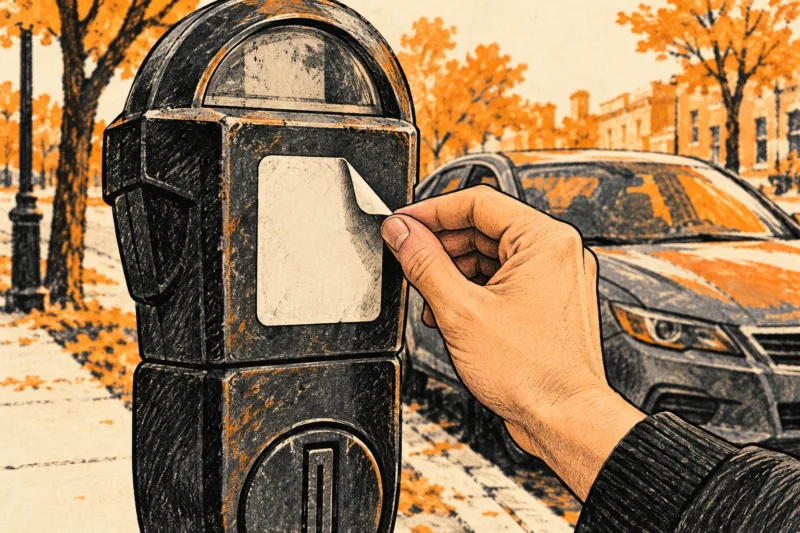
If the history shows spending that nobody in your circle did, the card was probably emptied after it was loaded. The FTC’s December 2024 alert on gift cards describes how that can happen: scammers can get a card’s number and PIN before it is sold, for example by removing protective stickers or scratching off the back of cards on store displays. Once someone loads money, the thief can drain it using the stolen numbers, even without holding the card.
The card itself and the store receipt. The FTC says you need the card number and receipt to report the problem to the gift card company, and that the sooner you report, the better. A photo of both is a useful backup.
Who do I call first?
The gift card company, meaning the issuer on the card, not the store where you bought it. The FTC’s gift card scam page includes a contact list for major issuers. A selection as the FTC listed them is below; check the card and the company’s site for current numbers before you rely on a number from any page.
| Issuer | Phone listed by the FTC |
|---|---|
| Amazon | (888) 280-4331 |
| Apple | (800) 275-2273 (say “gift card”) |
| Best Buy | (888) 237-8289 |
| Target | (800) 544-2943 |
| Visa | (800) 847-2911 |
| Walmart | (888) 537-5503 |
If your card is not on the list, the FTC says to find the issuer’s contact details on the card or online, and to report to ReportFraud.ftc.gov if you cannot reach the issuer.
What should I say?
- That the card was bought on a specific date at a specific store, and that it had a zero balance when first used.
- Give the card number, the receipt details, and ask for the transaction history and whether the balance can be frozen or the funds returned.
- Ask for a case or reference number, and the name of the person you spoke to.
The FTC’s page on gift cards used in a scam says some companies now flag fraud and freeze stolen funds, and that recovery is most likely when the money is frozen or not yet drained. That page is about cards handed to scammers, so it does not describe the tampering case, but the principle holds: ask quickly, because money still sitting in a frozen balance is easier to return than money already spent. It does not guarantee a refund, and some companies refuse after the card is used.
Can the store or my card company help?
Possibly. Tell the cashier or manager what happened, since the FTC suggests telling a store about suspicious cards, and a pattern across several cards may exist. If you paid for the card with a credit card, the FTC says you get the most protection and can file a chargeback to try to recover your money. Contact the card issuer, say what happened, and ask which dispute route applies. The CFPB says a written billing error notice must be sent within 60 calendar days after the charge appeared on your statement, so do not let this drift. We cover the steps in more detail in our guide to buying from a lookalike store.
If you paid cash, the receipt becomes your main proof, which is another reason to keep it.
I gave the codes to someone who asked for them. Is that different?
Yes. A zero balance after you read numbers out to a caller is a scam payment, not tampering. The FTC’s rule there is that no real business or government agency will tell you to buy a gift card to pay them, and the steps are to contact the issuer immediately, ask for your money back and report the scam. Workplace-style versions are covered in the boss gift-card scam and the mystery-shopper assignment.
What do I tell the person I gave it to?
Tell them what happened and that it is not their fault, and offer a replacement if you want to. Giving a gift that turns out empty feels awkward for the buyer, too. The simplest line is: “The card was emptied before it reached you, I am reporting it, and here is a new one.”
Will reporting do anything?
A report to the FTC does not usually return your money by itself, but it helps show a pattern across stores. Report to the issuer first, then the FTC, and consider local police if you want an official record. Weigh any website that offers to “check” a balance by asking for the PIN with caution; use the issuer’s own number or site on the card.
What if the issuer says the card was used?
Ask for specifics: the dates, amounts and, if available, whether the use was online or in a store. If the history shows spending that happened before the card was loaded or before it reached the recipient, say so. If the issuer will not help, a credit card used to buy the gift is your next route. The FTC says paying by credit card gives the most protection and the ability to file a chargeback, and the CFPB’s written-notice window is 60 calendar days after the charge appeared on your statement.
Buying a replacement
If you want to buy another, the FTC advises checking that protective stickers are intact and the PIN is not visible, choosing a different card if there is a problem and telling a cashier or manager, buying from stores you trust, avoiding online auction sites where cards may be fake or stolen, and photographing the card and receipt. Those steps belong to prevention, which our sister site covers in more depth. Here the point is simply to keep the evidence on any card you buy.
Sources
- FTC consumer alert, “Check out gift cards before you buy them” (December 2024)
- FTC, Avoiding and reporting gift card scams
- FTC consumer alert, “If you paid a scammer with a gift card, is your money gone? Maybe not” (August 2023)
- CFPB, How do I dispute a credit card charge?
Found a factual error or a source that has changed?
Send a correction →