An Informed Delivery Notice You Never Signed Up For: Next Steps
USPS says someone enrolled your address in Informed Delivery, and it was not you. How to remove the account, watch for stolen mail and protect your credit.
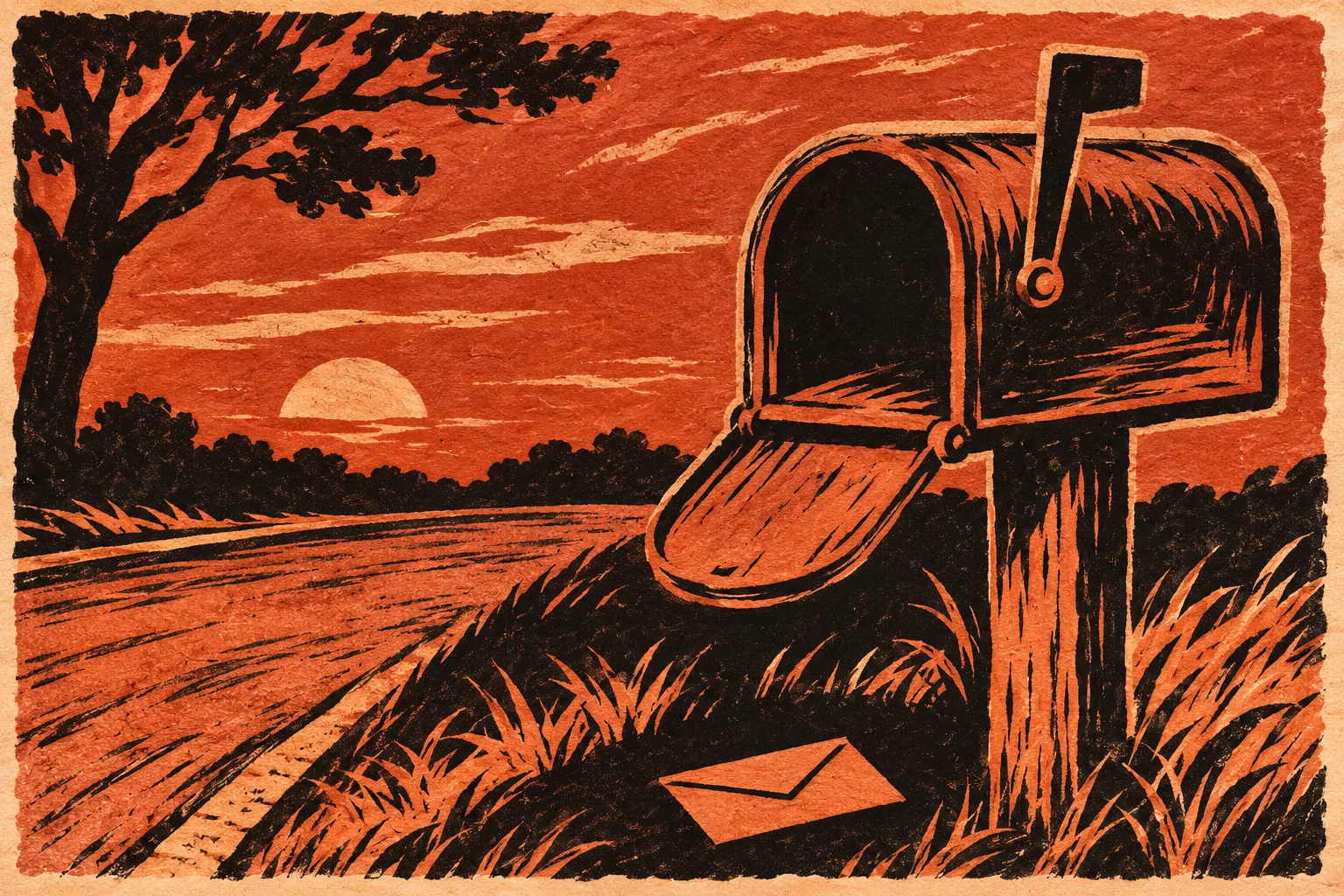
A letter from the Postal Service welcomes you to a service you never asked for, or an email shows pictures of your incoming mail. Someone at your address may have enrolled innocently. Someone else may be watching for your new credit card. It takes a few minutes to find out and to shut it down.
Informed Delivery is a real, free USPS service. According to the Postal Service, it sends a morning email with grayscale images of the address side of your incoming letter-size mail and updates on packages. Anyone with a residential address in an eligible ZIP Code can sign up, after identity verification. The fact that it is genuine is what makes an unexpected enrollment worth checking.
Why it matters if a stranger enrolled
A November 2018 report by security journalist Brian Krebs described an internal U.S. Secret Service alert saying criminals were using the service for identity theft and credit card fraud. In one Michigan case, according to that report, seven people arrested in September 2018 were accused of signing up as their victims and then stealing newly issued cards from residents’ mailboxes, running up nearly $400,000 in unauthorized charges. That case is several years old, and USPS has since described identity verification as part of registration. It still shows why you should act rather than ignore the notice.
| Someone with the account can see | They cannot see |
|---|---|
| Images of the outside (address side) of letter-size mail arriving soon | What is inside your envelopes |
| Package tracking status for incoming and outbound parcels | Mail that does not get scanned |
| Which days you are getting mail, and from whom | Your bank balance or card numbers from the image alone |
The risk is about timing. An envelope from a bank signals a card or a check on its way, and someone who knows that can reach the mailbox before you do.
A partner, adult child or roommate may have signed up to track a package. A two-minute conversation can save you a lot of worry. If nobody at the address did it, treat it as suspicious.
Your questions
How do I remove an account I did not create?
USPS provides a deactivation page at reg.usps.com/idremove. It asks for the unsubscribe code printed on the letter USPS mailed to the registered address, a reason for deactivating (the options include having your identity stolen and not recognizing the account), and the email address used in the registration. Keep the letter somewhere safe once you have it. If you do not know the email address used, or you never received a letter, contact USPS and tell them your address was enrolled without your consent. We could not confirm a published self-service way around the letter.
What if I only got an email, with no letter?
An email addressed to you does not by itself prove a stranger enrolled. It could be phishing that borrows the Informed Delivery name. Do not click anything in it. Go to usps.com yourself and sign in, or call USPS, and ask whether your address is enrolled. Our guide to parcel redelivery messages covers the fake versions, which often ask for a card number.
Should I report it to the Postal Inspection Service?
Yes, if nobody in your home enrolled, or if mail is missing. The FTC lists the Postal Inspection Service at 1-877-876-2455, and you can use uspis.gov/report. Give the date of the notice, any email address shown and a list of mail you expected and did not get.
Should I freeze my credit?
If you do not recognize the enrollment, freezing is a sensible step. The FTC says a credit freeze stops anyone from opening new credit in your name and is free to place and lift, and you must contact Experian, TransUnion and Equifax separately. A fraud alert is also free and lasts one year, and you only need to contact one bureau. You can use both.
A freeze will not stop the enrollment itself or stop mail theft, but it can stop a stolen identity from becoming a new card that arrives at your door. If you use a freeze, remember to lift it before you apply for credit yourself.
What should I watch for after that?
- New card or bank mail you did not request, or an activation notice for a card you never applied for.
- Expected cards, checks or statements that do not arrive. Call the sender and ask.
- Bills that stop arriving, which the FTC lists as a warning sign of identity theft.
- Unfamiliar accounts on your credit reports.
- A sudden change in delivery, such as a mail hold you did not place.
If an account has already been opened, go to IdentityTheft.gov for a recovery plan and pre-filled letters. If a check seems to have gone missing, our guide on stolen and rewritten checks covers that path.
Could this be someone I know?
Sometimes it is. A former partner, housemate or relative may have kept watching your mail. That can be a safety issue as well as a privacy one. If you are worried about someone who knows you, tell your local police and let the Postal Inspection Service know about the relationship. A domestic violence advocate can also help you think through next steps confidentially.
Should you enroll yourself?
Some people decide the best protection is to hold the account themselves, since then a separate enrollment at the address is less likely to go unnoticed. Whether that works for your household is your decision, and USPS does not state that it blocks someone else from trying. If you do sign up, use a unique password, turn on multifactor authentication and start at usps.com directly.
What we could not confirm
Older news reports mention a USPS email address for blocking an address from Informed Delivery. Those reports disagree on the address, and we did not find it on a current USPS page, so we have not listed it. Ask USPS directly what is available today for your address.
Sources
- USPS, Informed Delivery
- USPS, Unsubscribe from Informed Delivery
- Krebs on Security, U.S. Secret Service warns ID thieves are abusing USPS’s mail scanning service (November 8, 2018)
- FTC, What to know about identity theft
- FTC, What to do if you were scammed
Found a factual error or a source that has changed?
Send a correction →