The “Veterans Savings Program” Postcard: If You Already Called
A postcard says you or your spouse may qualify for extra veterans benefits. The program does not exist. Steps if you called and gave your SSN or bank details.
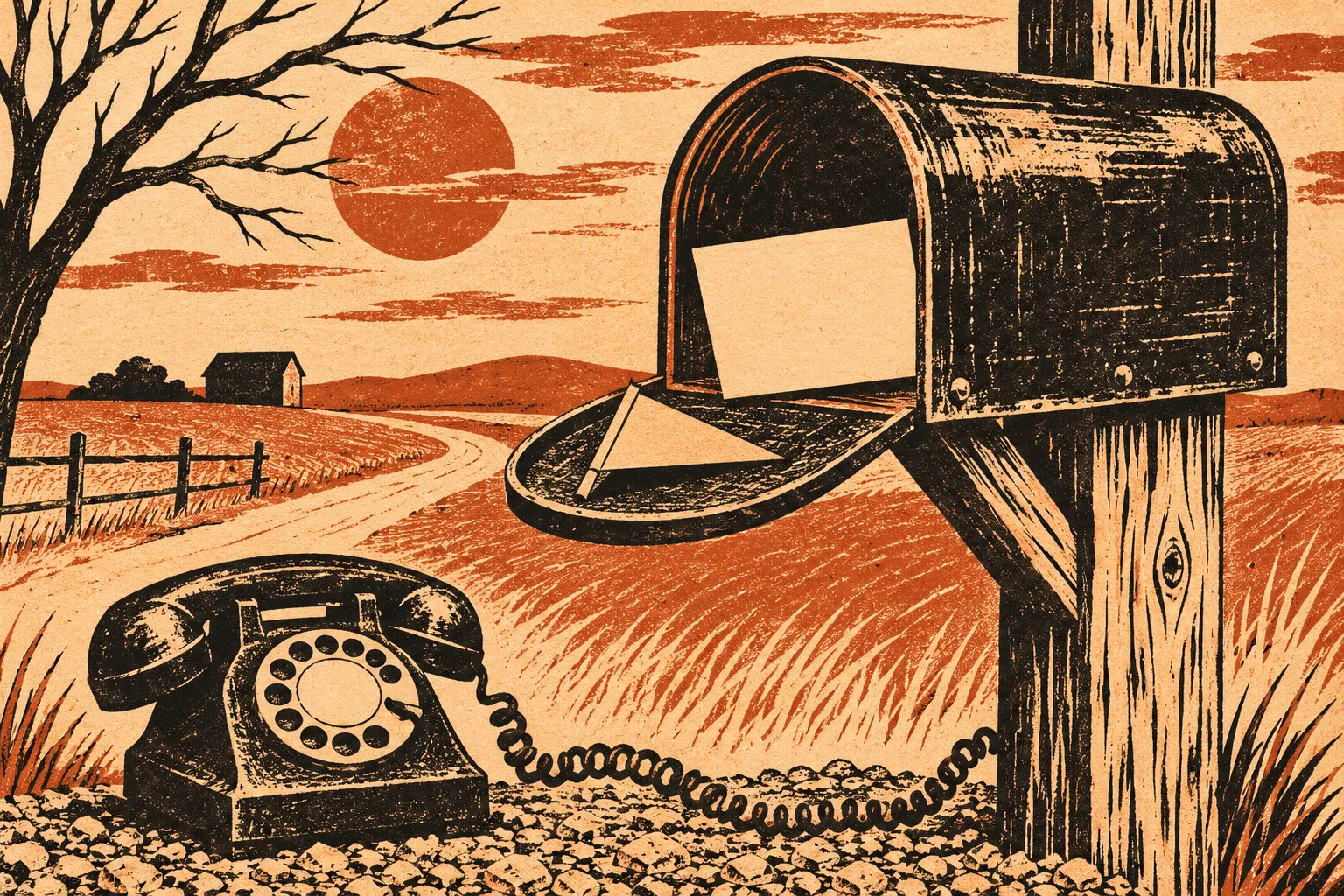
The card in the mailbox names your state, mentions benefits like CHAMPVA or TRICARE For Life, and says you or your spouse may qualify for more money each month through a “Veterans Savings Program.” It says to call right away or risk missing out. That program does not exist. If you have already called, here is what to do with what you shared.
The Federal Trade Commission flagged this mailer in an August 24, 2026 consumer alert. Its wording is direct: the “Veterans Savings Program” mentioned in the mailer “doesn’t actually exist.” The postcard’s job is to get you on the phone, where the caller asks for personal or financial information such as a Social Security number or bank account details.
The real VA and the postcard, side by side
The postcard borrows the names of real benefits so that it sounds familiar. What gives it away is how it asks you to act.
| The postcard | The real VA and accredited helpers | |
|---|---|---|
| Program name | “Veterans Savings Program” | No such program, according to the FTC |
| Urgency | Call right away or risk losing out | The FTC says legitimate VA communications will not pressure you to respond immediately |
| What it asks for | Social Security number, bank account details, over the phone | The FTC says real VA communications will not ask you to give sensitive information over the phone |
| Phone number | The one printed on the card | The VA Benefits Hotline, 1-800-827-1000, which you look up yourself |
| Help with a claim | Offered by whoever answers the number on the card | The VA Office of Inspector General says free help with claims is available from VA-accredited individuals and organizations |
Hang up on any follow-up call, and contact the VA using 1-800-827-1000, a number you know is real, not the number on the postcard. That is the FTC’s advice for any question about your benefits.
You called. Match what you shared to the steps
You gave your Social Security number
Go to IdentityTheft.gov. The FTC’s what to do if you were scammed page sends people there: if the number has already been misused, you report it and get a recovery plan; if you are not sure, it has steps for exposed information. A credit freeze at the three credit bureaus stops most new accounts being opened in your name, and it costs nothing.
You gave bank account or routing numbers
Call your bank using the number on your card or statement. Tell them you gave your account details to someone posing as a benefits program and ask what they can do to protect the account, including closing it and opening a new one. Watch for small test withdrawals and unfamiliar automatic payments.
If your VA payments go to that account, keep an eye on them too. The VA Office of Inspector General’s June 2025 fraud alert lists attempts to redirect VA deposits to an account controlled by someone other than the rightful beneficiary as a warning sign. If your deposit changes or stops, call the VA Benefits Hotline right away.
You paid a fee or gave a card number
Call the card issuer or bank and ask for the charge to be reversed, as the FTC recommends for card payments. Ask for a new card number.
You agreed to a follow-up visit or call
Cancel it. If someone arrives offering to “restructure” savings, move money into a trust or buy an annuity so that you qualify for a pension, stop. The VA OIG names exactly those offers as pension-poaching tactics to steer clear of and report.
Who to tell
- The VA: the VSAFE fraud hotline at 833-38V-SAFE (833-388-7233), which the FTC lists for reporting VA benefits scams.
- The VA Office of Inspector General: vaoig.gov/hotline or 800-488-8244, especially if someone charged a fee for a claim or tried to change where your payments go.
- The FTC: ReportFraud.ftc.gov. Include a photo of both sides of the postcard and the number you called.
- Other veterans: the FTC asks people to spread the word, since these mailers go out in bulk. Your post, a VFW or Legion hall, or a family group chat all count.
If you want real help with benefits
A postcard like this works because the benefits it names are real and the rules are complicated. If it got you thinking about whether you or a surviving spouse qualify for something, that question deserves a real answer. The VA OIG says help is available free from VA-accredited representatives, and that someone not recognized by VA “can’t legally help with a VA benefit claim.” Your state veterans office is another free starting point.
If it was a parent or spouse who called
Many of these cards reach older veterans and surviving spouses, and the call is often discovered later by a son, daughter or neighbor. If you are helping someone else, sit down together with the postcard and a notepad. Write down what was asked and what was given, in their words, and the date and time of the call. Then make the bank and IdentityTheft.gov steps above together, with the person on the line, since banks usually need to hear from the account holder. Keep the tone practical. The card was designed by people who send thousands of them, and the person who answered it did nothing wrong by wanting to check a benefit.
Questions people ask
How did they know I am a veteran?
The FTC alert does not say where the mailing lists came from. What it does say is that scammers usually contact many people at once. Getting the card does not mean your VA records were breached.
I only gave my name and address. Is that a problem?
They had those already, since the card came to your door. Expect more calls and mail, and do not confirm anything further. If a caller claims to be from the VA, hang up and call 1-800-827-1000.
The caller knew my branch and service dates. Doesn’t that make it real?
No. Details like these can be gathered from many places. Knowing facts about you is not proof of who the caller is. Calling back on a number you look up yourself is.
Will reporting it get my money back?
Not by itself. Money comes back, when it does, through your bank or card issuer, so call them first. Reports help the VA, the OIG and the FTC see how far the mailers reach and act against the people behind them.
For other benefit pitches that ask for a fee, see the guide to the Social Security “benefit boost” scam. If someone offers to recover money you lost to this postcard for a fee, read about recovery promises after a loss first.
Sources
- FTC, How to spot a postcard scam targeting veterans (August 24, 2026)
- VA Office of Inspector General, Protect Veterans from Pension Poaching (June 2025)
- VSAFE, U.S. Department of Veterans Affairs
- FTC, What to do if you were scammed
- FTC, IdentityTheft.gov
Found a factual error or a source that has changed?
Send a correction →