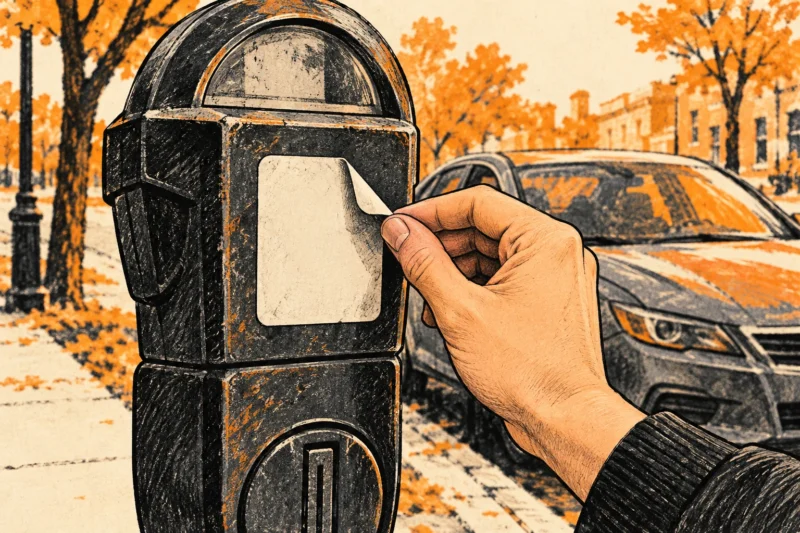
The suspicious receipt wants a phone call, not a click
Scamwatch’s July warning highlights a useful distinction: a familiar notification channel does not verify the purchase or the cancellation number.
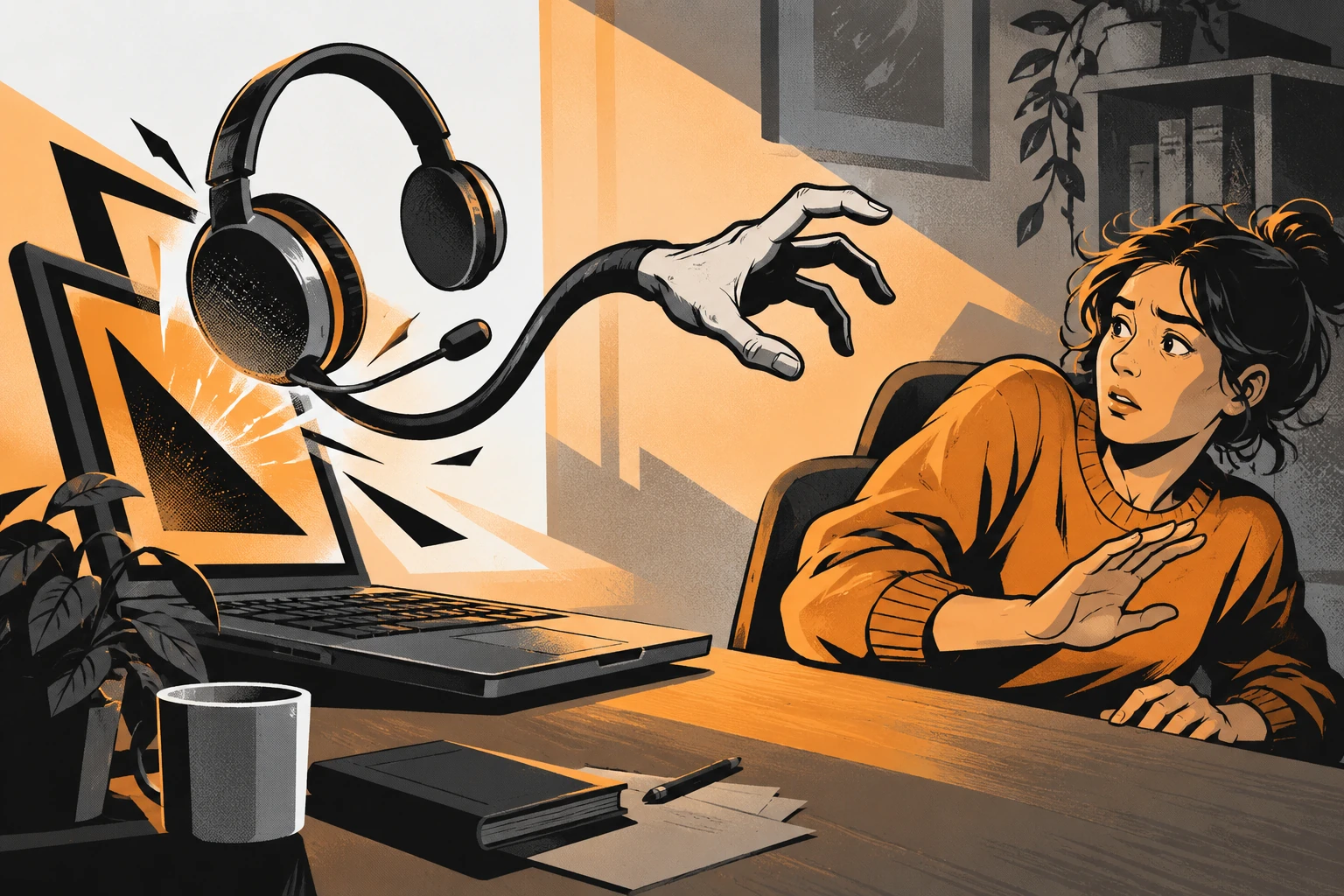
An unexpected purchase notice can make calling support feel like the cautious option. You are not opening an attachment or paying an invoice; you are trying to stop something. That is the opening described in Scamwatch’s July 14, 2026 advisory about fake purchase callback scams.
The agency describes messages sent through several channels, including texts, email, app notifications and calendar invitations. They claim a purchase occurred and supply a number to cancel or reverse it. Personal details and familiar service names can add credibility, while a deadline encourages immediate contact.
The independent check belongs before the call. Open the real payment account or bank app yourself and inspect its activity. A message describing a charge is not the same as an account record showing it.
What the advisory says — and what it does not
Scamwatch reports that a callback can lead to requests for financial information, claims of an excessive refund, remote-control software or gift-card purchases. These are possible branches of the pattern, not a claim that every suspicious receipt follows an identical sequence.
The advisory is an Australian consumer warning. The underlying verification problem can be relevant elsewhere, but reporting routes, payment protections and remedies depend on where the reader is and which provider is involved. This article does not establish the prevalence of the pattern in every country.
Why “I called them” can feel safer than “they called me”
Our analysis is that the receipt changes who appears to initiate the risky interaction. The reader places the call, which can create a sense of control. Yet the number was selected by the same unverified message that created the concern.
Independence is therefore not determined by who pressed the call button. It is determined by where the contact information came from. A call to the number printed on your card or reached through a known account app is a different process from calling the cancellation number in the alarming receipt.
| Before acting | Check this |
|---|---|
| The notice names a payment service | Open that service independently and inspect activity |
| The notice supplies a cancellation number | Do not treat the supplied route as verification |
| The call asks for remote access | Stop and establish the support relationship independently |
| A supposed refund requires a new payment | Ask the real provider about the actual transaction |
A useful household rule
Agree that unfamiliar receipts are checked in the real account before anyone calls a number in the message. This is easier to repeat than a long checklist of suspicious fonts, spelling errors and company names. It also works when a message is polished or includes accurate personal details.
If the receipt concerns a genuine service you use, there may still be a real billing question. The point is not to ignore it. The point is to resolve it through a route you selected independently of the questionable message.
If the conversation already moved further
Write down what happened after the call began. A conversation alone, shared account details, remote access and a completed payment create different priorities. Use the full fake-support and refund guide to separate them, and the first-steps page to identify the institution to contact.
For payments, the FTC’s post-scam guidance provides method-specific starting points for US readers. In Australia, use Scamwatch’s official help pages. Neither this article nor filing a report guarantees recovery.
Source context: advisory published July 14, 2026; reviewed for this launch edition on September 29, 2026. This is analysis of a published warning, not an independently investigated incident.
Found a factual error or a source that has changed?
Send a correction →