Joined a ‘Secret Sister’ Gift Exchange? What Happens Next
A friend's post promised up to 36 gifts for sending one. You posted your address, sent a gift and maybe added friends. The real risks and next steps.
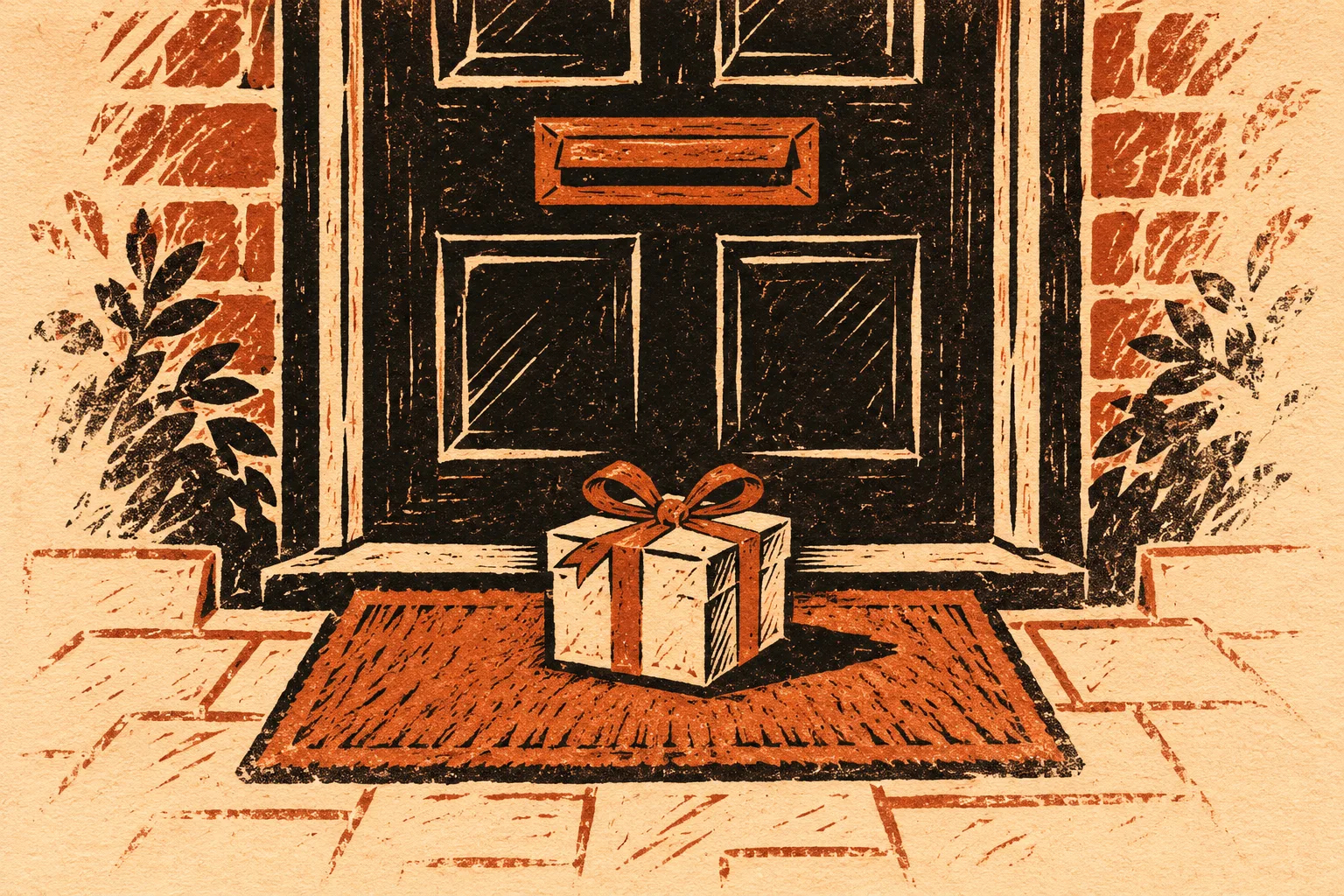
It came from someone you know. “Who wants to join a holiday gift exchange? Buy one $10 gift, send it to the name at the top, and you could get up to 36 back.” You commented, shared your address in a message, mailed a gift and maybe tagged a few friends to keep it going. Now someone has told you it is a scam. Here is what that means for you, and what is worth doing about it this week.
The Better Business Bureau warns about this exchange every holiday season. Its Secret Sister warning describes the same pitch you probably saw: a convincing invitation, by email or social media, promising up to 36 gifts in exchange for sending one. You give your name and address, add details about friends, and invite others to continue the chain. Newer versions swap the $10 gift for a bottle of wine or bourbon, money sent to strangers, or a “Secret Santa Dog” toy for a stranger’s pet.
Joining was an easy, friendly thing to do. The invitation came through someone you trust, and the stakes looked like ten dollars and a bit of holiday fun. Nothing about that is careless.
Why the gifts stop
The promise depends on every new person recruiting more people, and that cannot keep going. Here is the arithmetic if each participant brings in six new people, which is how the “36 gifts” figure comes about. This is an illustration, not a count of any real chain.
| Round of the chain | New people needed in that round |
|---|---|
| 1 (the person at the top) | 1 |
| 2 | 6 |
| 3 | 36 |
| 4 | 216 |
| 5 | 1,296 |
| 6 | 7,776 |
| 8 | 279,936 |
| 10 | 10,077,696 |
| 12 | 362,797,056 |
The chain runs out of willing people long before that. Wisconsin’s consumer protection agency puts it bluntly in its guide to chain letters: it is mathematically impossible for all participants to receive what was promised. The BBB says that once people stop joining, the gifts stop too. A few people near the top may get several packages. Most people who join later get none, or one.
The $10 gift is usually the smaller loss. You gave a stranger your home address, often your full name, and sometimes details about friends you added. The BBB warns that with a few pieces of information, criminals could expose you to future scams or commit identity theft. Most of the steps below are about that.
Is it actually illegal?
Several official sources say chain schemes like this break the law when the mail is involved, though they describe it in different ways:
- The federal law on mailing lottery material, 18 U.S.C. § 1302, makes it a crime to mail letters or circulars about a lottery, “gift enterprise” or similar scheme whose prizes depend on chance. The penalty is a fine, up to two years in prison, or both.
- Wisconsin’s guide says a chain letter sent through the U.S. Postal Service violates state and federal mail fraud and lottery laws, and describes both promoting and joining one as unlawful.
- The BBB states that the U.S. Postal Inspection Service considers these gift exchanges “a form of gambling,” and that participants could face fines, jail time or a mail fraud lawsuit. We could not find this wording on a current uspis.gov page, so treat it as the BBB’s account of the Postal Inspection Service’s position.
That is the legal picture as the agencies describe it. In practical terms, for someone who mailed one gift, the realistic harms are the lost gift and the details you shared. Stop taking part from here on, and do not recruit anyone else.
What to do now
- Stop the chain at you. Do not send more gifts or invite more people. If the exchange asks for money rather than gifts, do not send any.
- Delete what you posted. Remove comments or posts that include your address, phone number or full name, and delete the list if you shared one with friends’ details.
- Tell the friends you added. A short message is enough: “I added you to that gift exchange before I knew it was a pyramid scheme. Please don’t send anything, and you may want to delete the details you posted.”
- If you sent money, contact your bank or payment app the same day and report it as a scam. The FTC’s scam recovery guide lists the steps for each payment type.
- If you shared more than an address, such as a date of birth or a Social Security number, follow the steps at IdentityTheft.gov.
- Tighten privacy settings. Limit who can see your posts, friend list and contact details on each platform.
- Report it. The BBB suggests reporting the invitation to the social media platform and to the U.S. Postal Inspection Service, and the FTC takes reports at ReportFraud.ftc.gov.
What may come next
Someone who now has your name, address and a sign that you respond to friendly holiday offers may try again. Watch for these in the coming weeks:
- A “delivery problem” text about the gifts you are expecting, asking for a small fee or card details.
- A message from a “group organizer” asking for money to cover shipping or to move you up the list.
- A heartfelt fundraiser or toy drive from someone you do not know. Our guide to fake toy drives and family-in-need fundraisers shows how to check one.
- A message from a friend’s account that feels off. If it asks for a code or money, read what to do when a friend’s account asks for a code first.
If a gift does show up, you have done nothing wrong by receiving it. Just do not pass the chain on.
Leaving the group without the drama
These exchanges travel through circles of friends, family and neighbors, so stepping back can feel awkward. You do not have to call anyone out. A simple comment works: “Just learned these gift exchanges are treated as pyramid schemes, so I’m dropping out and deleting my info. Happy holidays!” Link to the BBB warning if you want to save others the trouble. If the friend who invited you is embarrassed, remind them that the invitation was passed to them the same way.
If you still want the fun of swapping gifts, organize a Secret Santa among people you actually know, where everyone gives one gift and receives one. Nobody needs a stranger’s address for that.
Sources
- Better Business Bureau, Secret Sister gift exchange is illegal
- Wisconsin Department of Agriculture, Trade and Consumer Protection, Chain letters
- 18 U.S.C. § 1302, Mailing lottery tickets or related matter (Cornell LII)
- FTC, What to do if you were scammed
- FTC, IdentityTheft.gov
Found a factual error or a source that has changed?
Send a correction →