‘Thank You for Your Pledge’: A Donation You Never Made
A caller or letter thanks you for a pledge you do not remember and asks to collect it. How to check before Giving Tuesday, and what to do if you already paid.
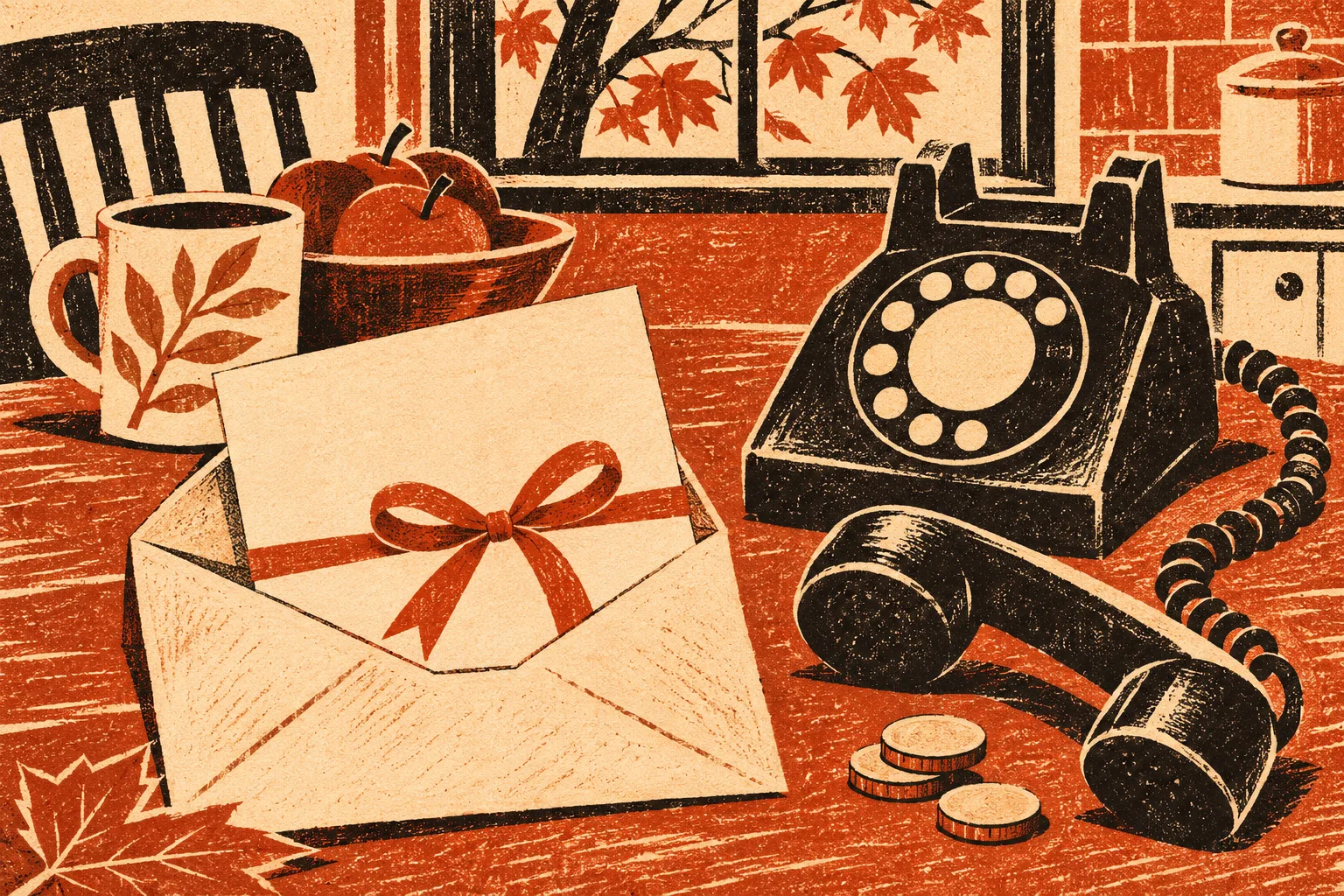
The voice on the phone is warm and grateful. “We’re calling to thank you for your pledge to support families this season. We can take care of it right now so it’s counted before Giving Tuesday.” You do not remember pledging anything. That gap is the whole story, and it is the right place to pause.
December 1, 2026 is Giving Tuesday, the Tuesday after Thanksgiving, and the weeks around it bring a heavy run of real fundraising calls, letters and emails. Most are legitimate. A smaller number start with a thank-you for a gift you never made. The FTC’s charity guidance names this exact move: “Some scammers try to trick you into paying them by thanking you for a donation that you never made.”
Why a thank-you works so well
Gratitude makes refusing feel rude. If the caller also uses a charity name you recognize, or one close to it, the conversation can feel like settling a small debt rather than starting a new donation. You might think you said yes to a canvasser last spring, or ticked a box online. People give in many small ways and do not keep perfect records, so nobody should feel careless for wondering.
The FTC’s October 26, 2026 alert adds two facts that apply here: scammers use real charities’ names or names that sound like them, and caller ID can be faked. A familiar name on the screen proves nothing about who is calling.
A pledge you cannot find in your own records, plus a request to pay now. You can always say, “I’ll check my records and give directly through your website.” A real charity will accept that. Pressure to pay during the call is the red flag.
A script you can use
“Thank you for calling. I don’t have a record of that pledge, so I’m not going to pay anything on this call. Please send me written information with your organization’s legal name and address. If I decide to give, I’ll do it directly through the charity.”
Then hang up, even if the caller pushes back. With a letter or email, the equivalent is to set it aside and not use any payment link, QR code or reply envelope until you have checked.
How to check the claim
| Check | Where | What it tells you |
|---|---|---|
| Your own records | Bank and card statements, email receipts, any pledge card you kept | Whether you actually pledged. No record is a strong sign the “pledge” is invented |
| The charity itself | Phone number or website you look up yourself, not the one in the message | Whether it called you and whether it has a pledge on file in your name |
| Tax status | IRS Tax Exempt Organization Search, linked from the FTC page | Whether donations would be tax deductible |
| State registration | Your state charity regulator, found through nasconet.org | The FTC notes most states require the charity or its fundraiser to register to ask for donations |
| Reports and ratings | BBB Wise Giving Alliance, CharityWatch | How the charity operates and spends money |
Keep in mind that a legitimate charity sometimes hires a paid fundraising company to make calls. That is legal. What matters is that the pledge is real and that the money reaches the charity you choose, which is easiest to guarantee when you pay the charity directly.
The payment request tells you a lot
The FTC is plain about payment methods: “If someone wants donations in cash, by gift card, or by wiring money, don’t do it.” It suggests paying by credit card or check to be safer. A caller who offers to send a courier for cash, asks for gift card numbers or steers you to a payment app to “settle the pledge” is describing how scammers like to be paid, not how charities collect gifts.
If you already paid
Many people only realize afterward, when the charity says it has no record or the receipt never arrives. What to do depends on how you paid.
- Credit or debit card: call the number on the back of the card. The FTC’s guide for people who were scammed says to contact the issuer right away, ask for a refund and dispute the charge. Ask the issuer to replace the card if you read the number over the phone, since a recurring charge could follow. If you set up giving that repeats, see the guide to stopping a recurring charity charge.
- Check: call your bank to ask about stopping payment if it has not cleared.
- Gift card: contact the card’s issuer immediately, tell them you gave the number and PIN to a scammer and ask for a refund. Keep the card and receipt.
- Wire or money transfer: contact the transfer company at once, explain that you were tricked and ask for a refund, as the FTC advises.
- Cash to a courier: call local police, and note any details you remember about the person and the vehicle.
Then look at what else you shared. If you gave a Social Security number “for the tax receipt,” treat it as exposed and follow the steps at IdentityTheft.gov. Expect more calls: a list of people who paid once tends to be used again, sometimes by a caller who offers to “recover” your donation for a fee. Do not pay anyone to get your money back.
Where to report
The FTC asks for reports at ReportFraud.ftc.gov and to your state charity regulator through nasconet.org. Include the organization or fundraiser’s name, the phone number and what the fundraiser told you. If a real charity’s name was used, tell that charity too; it may already be warning donors.
The same pattern sometimes arrives as a prize instead of a pledge, tied to a donation you did make. That variation is covered in the charity sweepstakes guide.
A short Giving Tuesday checklist
- Choose the charities you want to support before the appeals arrive, and give through their own websites.
- Keep a simple record of every gift and pledge this season, with the date and amount. The FTC suggests checking your statements to confirm you were charged only what you agreed to and were not signed up for repeat giving.
- Treat any “thank you for your pledge” you cannot match to that record as unconfirmed until the charity itself confirms it.
- Pay by credit card or check, never by gift card, wire or cash handed to a stranger.
Sources
- FTC, Donating safely and avoiding scams
- FTC consumer alert, Spot scammers impersonating well-known charities and sweepstakes (October 26, 2026)
- FTC, What to do if you were scammed
- FTC, IdentityTheft.gov
Found a factual error or a source that has changed?
Send a correction →