A “benefit boost” for a fee? The new Social Security scam promising larger checks
A September 2026 SSA OIG alert warns about unsolicited offers to “boost” Social Security benefits for a fee. Learn the red flags, how to verify a real concern safely, and what to do if you shared information.
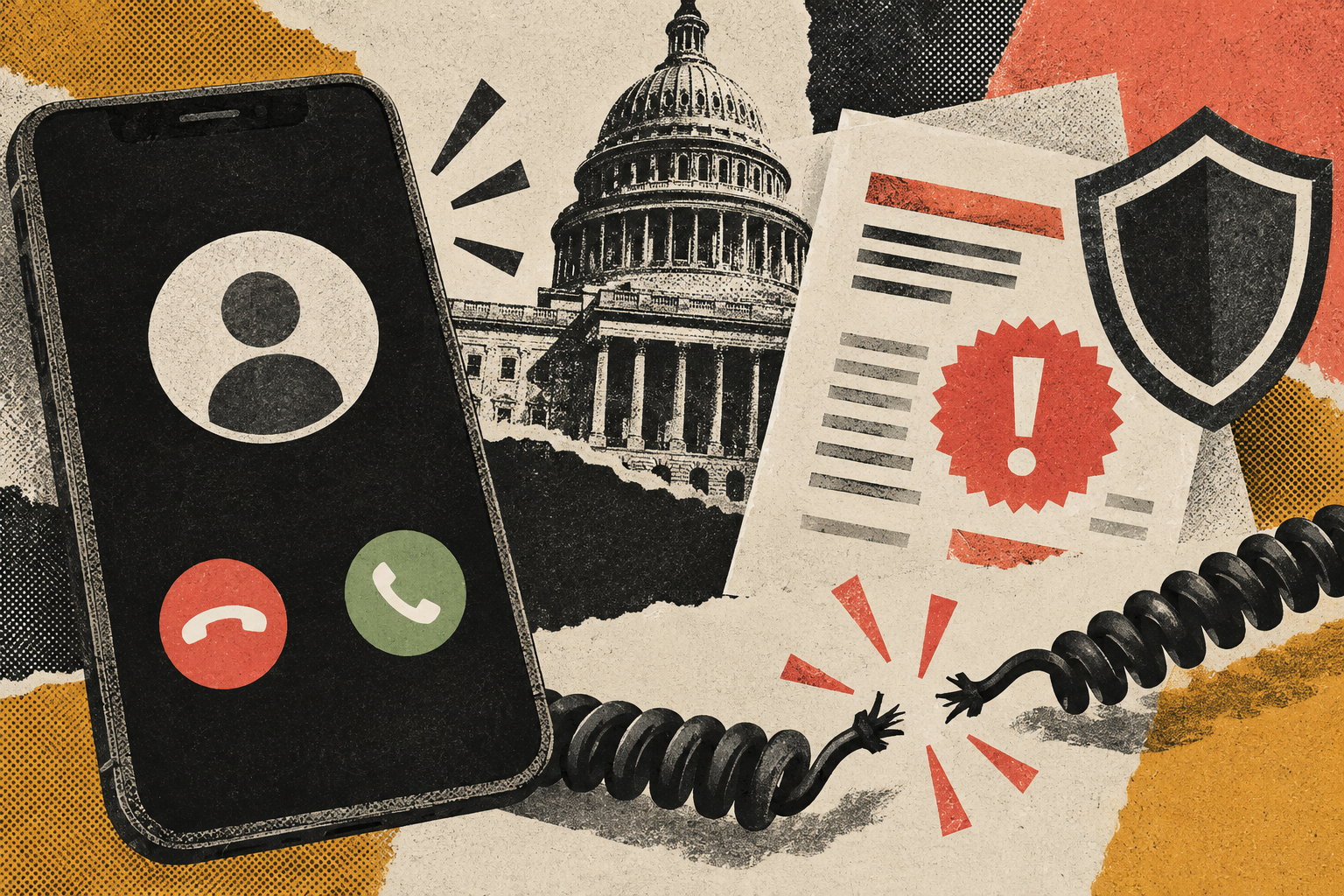
A promise to increase your Social Security check can sound like a welcome bit of help—especially when the message knows your name, uses official-looking language, or arrives while you are already dealing with benefits paperwork. But a September 21, 2026 warning from the Social Security Administration’s Office of the Inspector General describes a familiar pressure tactic with a new pitch: someone claims they can “boost,” “unlock,” or “maximize” benefits in return for an upfront fee or personal information.
The important distinction is simple: a real question about your record is handled through official SSA channels; an unsolicited stranger who promises a larger payment in exchange for money, a Social Security number, bank details, or a quick online form is not a shortcut. SSA says it does not sell benefit increases, and it does not require a fee or personal information as the price of raising a benefit. Read the September 21 SSA OIG alert.
Quick answer: Don’t pay, reply with sensitive details, click the message’s link, or let the sender “verify” your account. End the interaction. If you want to check a real benefit question, independently open ssa.gov/myaccount or call SSA using the number on its official website—not a number in the message or caller ID.
What the new “benefit boost” pitch looks like
The OIG alert says the approach can start with an unsolicited call, advertisement, letter, text, or social-media message. The sender claims to work with Social Security or implies access to a special program that can raise, release, or optimize someone’s benefit. They may ask what you currently receive, then use the answer to make an offer sound tailored. A link to an official-looking form can follow.
That first question is not harmless just because it sounds like a routine eligibility check. The supposed “specialist” may be trying to collect identifying details, banking information, or enough personal context to make a later impersonation more convincing. A legitimate-looking web page is still not proof that the person who sent it is legitimate. Anyone can copy agency colors, logos, terminology, and the general shape of a government form.
| What you hear | Why to pause | Safer move |
|---|---|---|
| “We can increase your check if you act today.” | Urgency is being used to stop you from checking independently. | End the conversation; verify through SSA directly. |
| “Pay a processing or enrollment fee.” | SSA says it does not charge a fee in exchange for increasing benefits. | Do not pay by card, transfer, gift card, crypto, cash, or payment app. |
| “Confirm your Social Security and bank details on this link.” | The form may be a collection point for identity or account information. | Do not use the sender’s link; open the official site yourself. |
| “I’m a named employee; here is my badge.” | Names, caller ID, photos, and badge images can be copied or spoofed. | Hang up and contact the agency using independently found details. |
Why this offer can feel believable
Scams work best when they attach themselves to a real worry. People may wonder whether an earnings record is correct, whether a life change affects a benefit, whether they missed a notice, or whether a payment amount will change. That uncertainty can make a confident voice on the phone feel like a route to an answer.
There is also a real administrative world around Social Security: people apply, submit forms, receive notices, and sometimes communicate with agency staff. That means “the government never contacts anyone” is not a safe rule. The better rule is about the request and the verification path. A legitimate agency contact does not turn an unexpected demand for money or a promise to buy a larger check into a safe transaction.
Recent public reporting also shows why people hesitate before dismissing every contact. In one Reddit discussion, an SSDI applicant described receiving a voicemail from a restricted number and asked whether it might be related to an active claim. The thread is an anecdote, not a way to authenticate a caller. It does illustrate the real uncertainty: people do not always know whether an unexpected contact is routine or fraudulent. Read the discussion, but use SSA—not commenters—to resolve an actual case question.
The persuasion sequence: from “help” to control
The hook may be framed as a benefit you have already earned, not a new product. The caller might say they found an error, a missed adjustment, or an eligibility opportunity. If you show interest, they can ask small questions that make the interaction feel collaborative: confirm your name, say which benefit you receive, or check that an email address is current.
Then comes the pivot. The “helper” may say your payment cannot be released until you verify identity, pay a fee, or submit a form. Sometimes the requested information arrives before the fee; sometimes the fee is presented as temporary or refundable. Either way, the sender has changed the subject from “is there a real SSA issue?” to “will you comply while I’m guiding you?”
Watch for control tactics as well as the original claim: a short deadline, instructions not to tell family, a request to stay on the phone, a demand to move money, or a second person brought onto the call as an alleged supervisor. Each element narrows the space to think. A genuine administrative question can wait for you to verify it through an official channel.
How to check without missing legitimate business
- Stop the live interaction. Don’t argue, reveal extra facts, press buttons during a robocall, or follow a link while the sender is watching.
- Keep a neutral record. Note the date, channel, claimed agency, callback number, email address, and what the person requested. Save a screenshot or voicemail if safe; don’t forward suspicious attachments around.
- Start from a clean route. Type ssa.gov/myaccount yourself or find contact information from SSA’s official website. Avoid sponsored results or links delivered by the caller.
- Ask a narrow question. Say you received an unsolicited offer to increase benefits for a fee and want to know whether SSA sent it. You do not need to give the suspicious caller another chance to explain.
- Report the attempt. Use the SSA OIG reporting page and, where appropriate, the FTC’s fraud-reporting service. Reporting helps agencies see patterns; it does not require you to prove who was behind a message.
What if you already replied, paid, or shared something?
Start with what was exposed; don’t let embarrassment delay practical steps. If you only answered a call but shared no details, money, access, or codes, stop contact, block the sender if useful, and watch for follow-up attempts. A second message may pretend to be a fraud investigator, agency employee, or “recovery” service.
If you gave your Social Security number or other identity details, visit IdentityTheft.gov and follow the recovery guidance that matches what was disclosed. If you shared a password, change it through the real service on a device you trust, and update any other account that reused it. If you gave bank information or sent money, call your bank using the number on your card or statement and explain exactly what happened. Ask what protections or dispute steps may apply; outcomes depend on the payment method and timing.
If you installed software, shared your screen, or allowed remote access, disconnect the session, remove the app through a trusted process, and seek help from the legitimate device vendor or a trusted technician. Don’t rely on a phone number supplied by the person who contacted you. Keep receipts, messages, and dates together for your bank or report.
For a related example of what happens after a scammer gets an initial response, see our guide to fake remote-job offers that ask for money or sensitive information. Different pretext, same useful habit: stop the conversation before the other person defines the next step.
Common questions
Can Social Security ever contact me by phone?
Do not use “SSA never calls” as your only test. People may have legitimate ongoing business with the agency. The safer test is whether you can independently verify the purpose and whether the contact is asking for money or sensitive information in exchange for a promised benefit increase. When unsure, end the call and initiate contact through SSA’s official website or published number.
What if they know my name, benefit type, or last four digits?
That does not authenticate the caller. Personal details can come from previous disclosures, data exposure, public information, or guesses. Don’t “prove” the contact is real by supplying more information. Verify out of band.
What if the message looks official?
Formatting, employee names, seals, and caller ID can be imitated. A badge image is not verification. Do not call a number printed only on an unsolicited message or open its login page. Navigate to an official SSA address yourself.
Do I need to pay someone to fix a benefit amount?
SSA’s September 2026 alert says it does not offer to increase benefits in exchange for money. If you have a genuine question about your record, contact SSA directly. Do not pay a stranger who promises a special increase.
Where should I report it?
Use the SSA Office of the Inspector General reporting page. You can also report fraud to the Federal Trade Commission. If identity information was exposed, use IdentityTheft.gov for next steps.
Bottom line
A Social Security “benefit boost” offered by an unsolicited caller, texter, email, or social-media account—especially one that asks for an upfront fee or sensitive details—is a stop sign, not a shortcut. Don’t pay or verify yourself through the contact’s link. Pause, independently reach SSA, and report the attempt. If you already shared something, focus on the specific exposure and contact the relevant bank, account provider, or identity-recovery resource directly.
Sources
- SSA OIG: Don’t Pay for Promises of Increased SSA Benefits (September 21, 2026)
- Federal Trade Commission: How to Avoid a Government Impersonation Scam
- Social Security Administration: my Social Security
- SSA Office of the Inspector General: Report Fraud
- IdentityTheft.gov
- Reddit: SSDI applicant asks how to verify an unexpected voicemail (anecdotal discussion)
Found a factual error or a source that has changed?
Send a correction →